Vukoje: A Different Vintage of Herzegovina
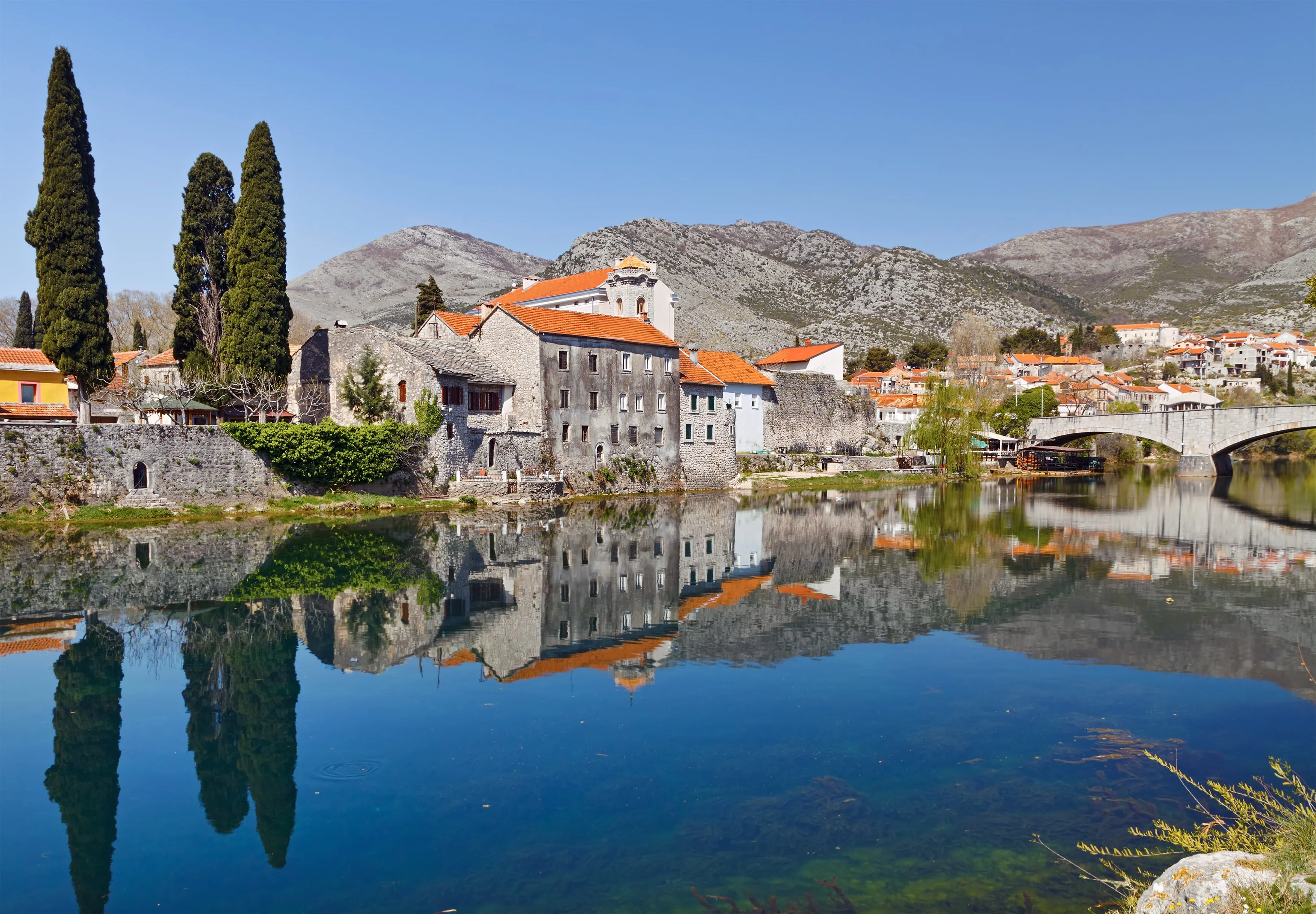
Above the rooftops of Trebinje, an unexpected encounter reveals the ambition, craftsmanship and generous spirit behind one of Herzegovina’s most intriguing wineries.
An Unlikely Address
The higher the streets climb above Trebinje, the less likely it seems that a remarkable winery could be waiting at the top.
Houses stand close together, narrow lanes wind between small gardens, and fig trees grow beside ordinary family homes. It is a neighbourhood that offers a glimpse of everyday Herzegovinian life, far removed from the polished world of wine tourism.
And then, quite unexpectedly, Vukoje appears.
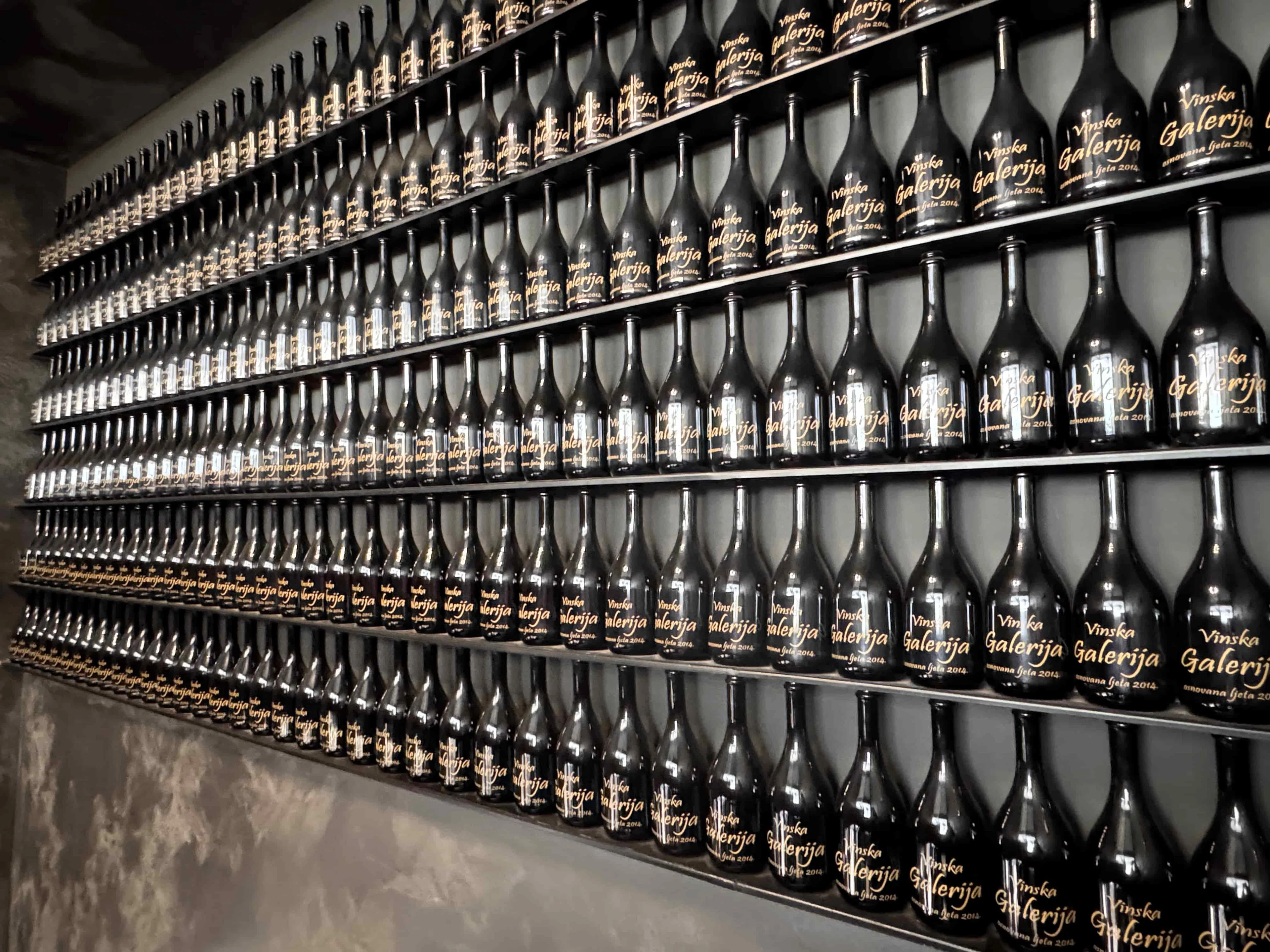
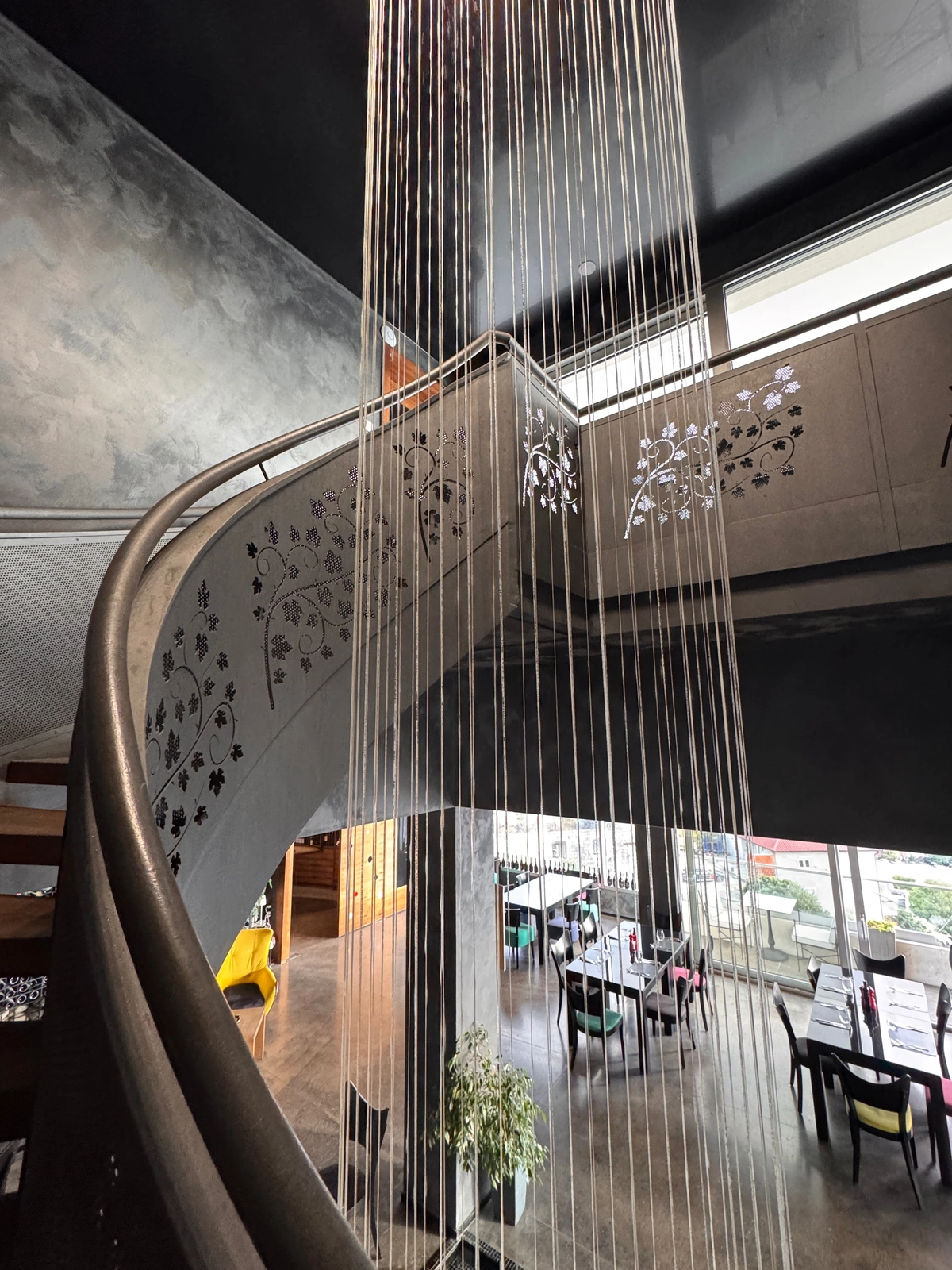
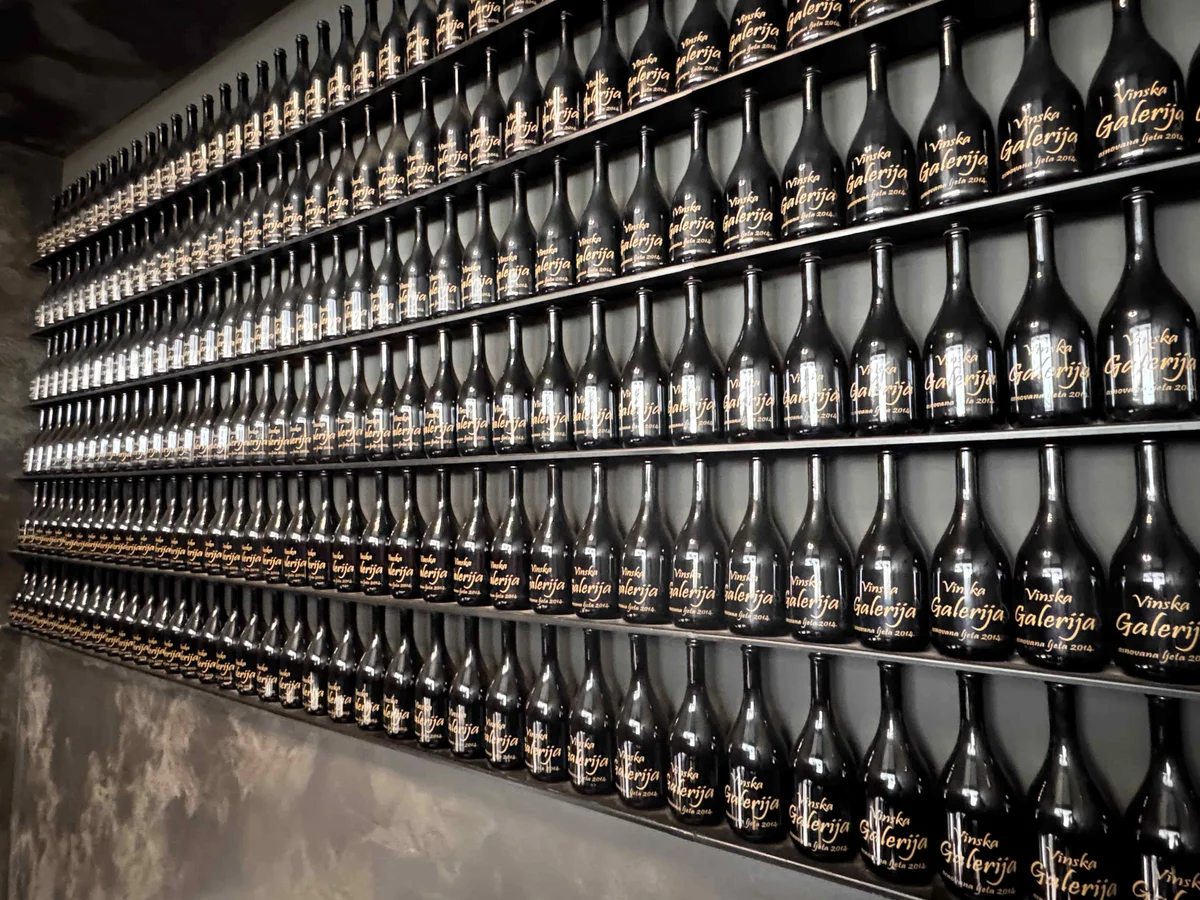
Behind its contemporary façade lies a carefully conceived world of wine, architecture and gastronomy. A striking staircase connects elegant interiors, bottles are displayed with almost gallery-like precision, and a restaurant looks out across Trebinje and the surrounding countryside.
Nothing about the approach quite prepares visitors for what awaits.
Yet the real surprise is not the architecture.
It is the quality of the wines — and the people behind them.
A Family Story, An International Ambition
The Vukoje family’s connection with wine began in 1982, when Radovan Vukoje’s father established a hospitality business in Trebinje and began producing wine alongside its restaurant activities.
For Radovan, growing up surrounded by wine was only the beginning.
His studies and professional experience eventually took him to Italy, where he deepened his knowledge of European winemaking. Returning to Herzegovina, he brought with him an ambition to develop the family enterprise and demonstrate the potential of his homeland’s vineyards.
The modern chapter of Vukoje took shape around the turn of the millennium.
What followed was a remarkable transformation.
Today, the winery works with approximately 32 hectares of vineyards, combining indigenous Herzegovinian grapes with international varieties. Around 50 people are involved in its operations during busy periods, including the demanding harvest season.
The scale is impressive, but even more compelling is the philosophy behind it: applying contemporary winemaking knowledge without losing the character of the region.
That connection to history runs particularly deep at the Carski Vinogradi, the Imperial Vineyards, whose origins reach back to the Austro-Hungarian period.
Vukoje’s story is therefore not simply one of modern success. It is also about rediscovering the value of a wine tradition that has existed in Herzegovina for generations.
A Welcome Beyond Expectations
Great hospitality often reveals itself in the smallest gestures.
At Vukoje, an unscheduled visit became an unexpectedly personal introduction to the estate.
Nikola*, a young member of the team who had spent several years developing his knowledge of the winery’s wines, recognised an opportunity to share something more than a standard tasting.
He set aside time to introduce the wines, explain their origins and guide a conversation that moved naturally between grape varieties, production methods and the family’s ambitions.
His enthusiasm was genuine, his knowledge considerable, and his manner refreshingly unpretentious.
And with every new glass came a small ritual.
Živjeli!
Cheers, in the local language.
The pronunciation proved less straightforward than expected. Nikola patiently repeated the word, encouraging another attempt, until the exchange became a source of shared amusement.
It was a simple moment, but one that captured the spirit of the visit.
Wine was the reason for being there. The warmth of the encounter made it memorable.

The Taste of Herzegovina
Herzegovina’s wine identity is inseparable from its landscape.
Limestone-rich terrain, warm Mediterranean influences and generations of cultivation have given the region grape varieties with a character distinctly their own.
Among them, Žilavka holds a special place.
This indigenous white grape was a recurring subject throughout the tasting, spoken of with unmistakable pride.
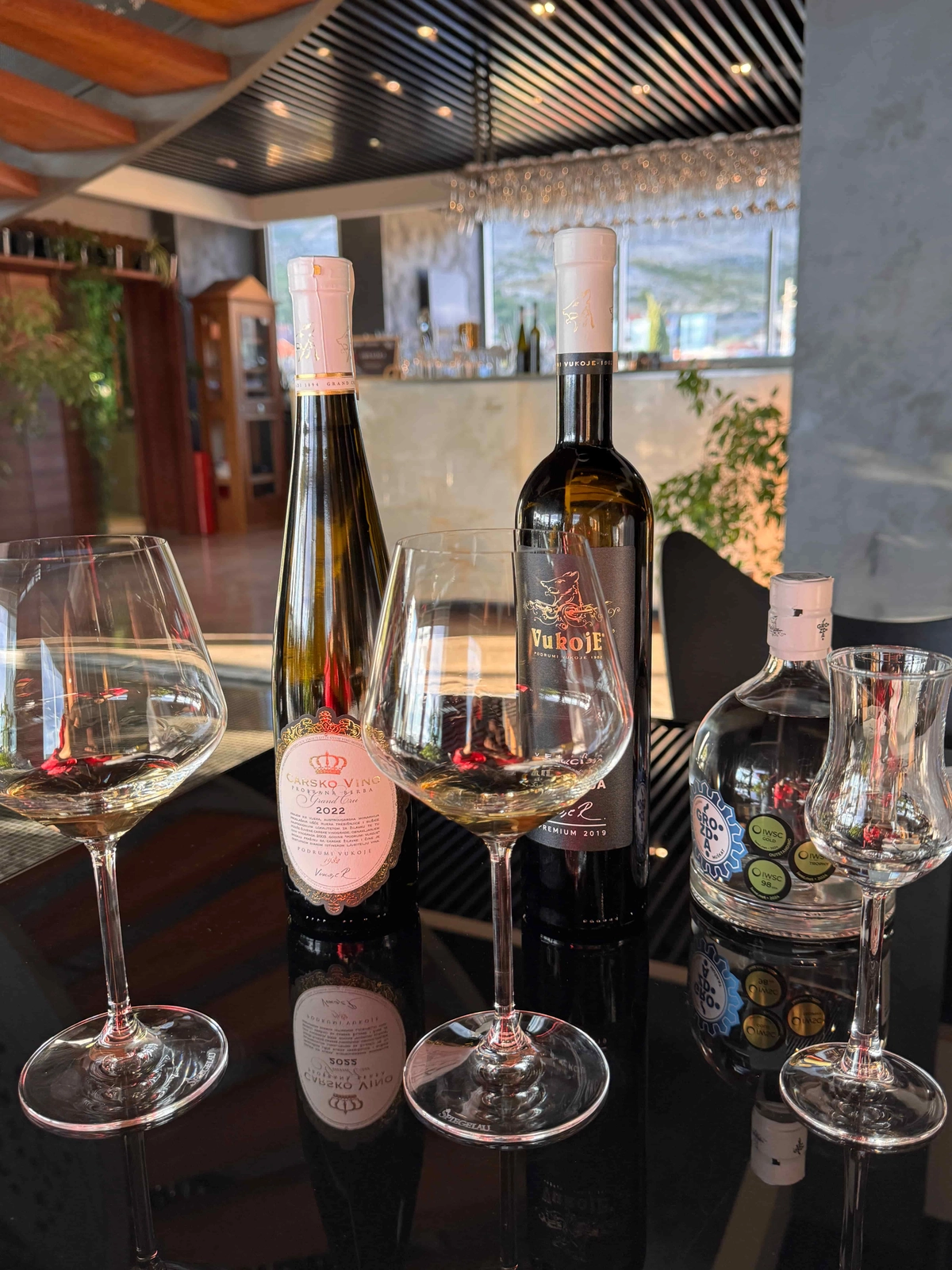
And nowhere was that pride more evident than in the introduction to Carsko Vino.
Produced from Žilavka, the wine reflects the region’s heritage while demonstrating the refinement that contemporary Herzegovinian winemaking can achieve.
Across the tasting, the wines made a consistently strong impression. They were harmonious, enjoyable and remarkably approachable, each with its own character.
There was no need for elaborate tasting terminology to appreciate their quality.
The pleasure was immediate.
Another memorable discovery was Vukoje’s Grozda rakija.
Rakija is familiar throughout the Balkans, yet styles vary considerably between regions and producers. Vukoje’s interpretation offered a particularly distinctive expression, with a flavour that stood apart from more familiar examples.
Together, the wines and rakija revealed a producer confident in both tradition and experimentation.
The Wine Worth Returning For
One of the most intriguing wines discussed during the visit never reached the tasting glass.
Vranac Reserve.
Made from the region’s celebrated red grape, it represents a more patient and demanding approach to winemaking.
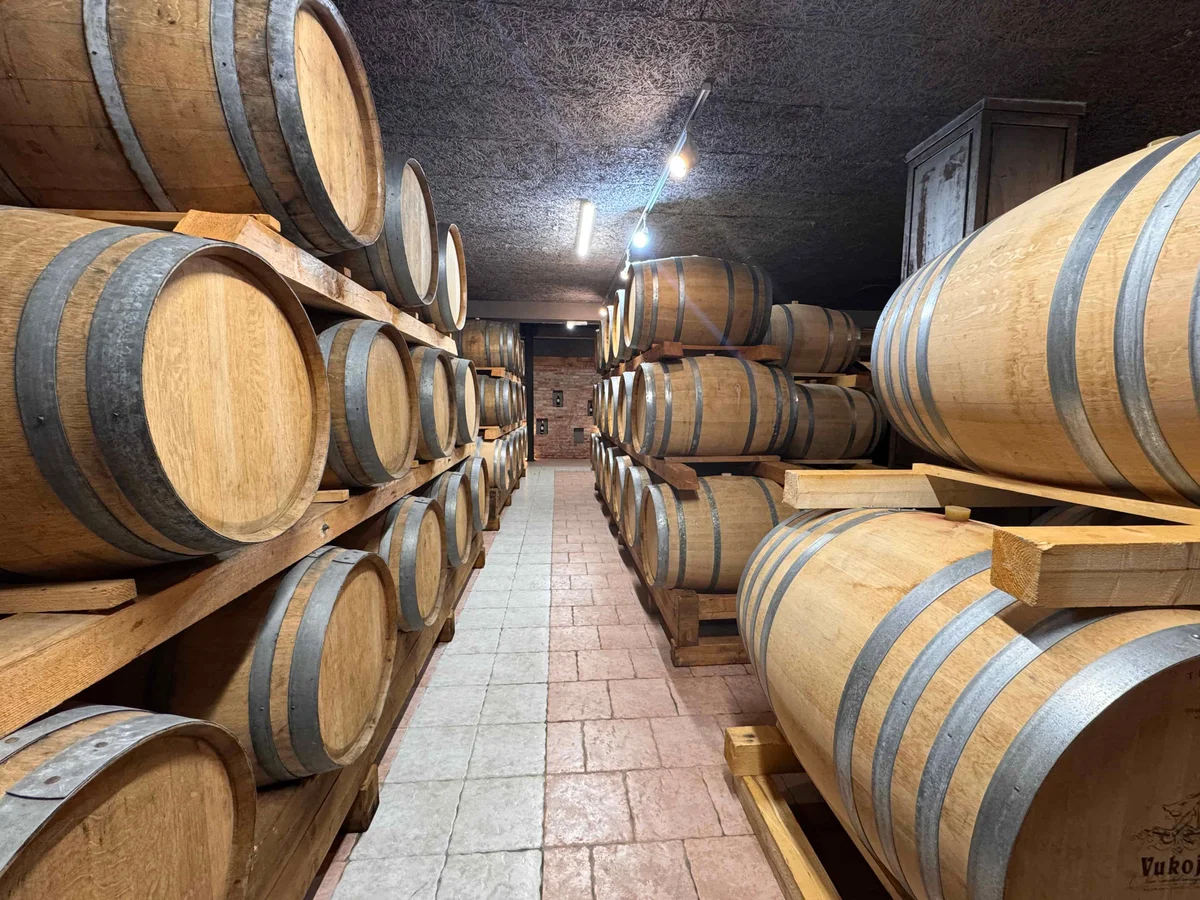
For selected vintages, part of the fruit is allowed to dry naturally on the vine before harvesting, concentrating its character. The wine then undergoes extended maturation in oak and bottle before release.
It is a process that requires time, investment and confidence in the final result.
And perhaps that is what makes Vranac Reserve so intriguing.
After experiencing the quality of Vukoje’s other wines, the prospect of discovering this carefully matured expression offers a compelling reason to return.
More Than a Wine Tasting
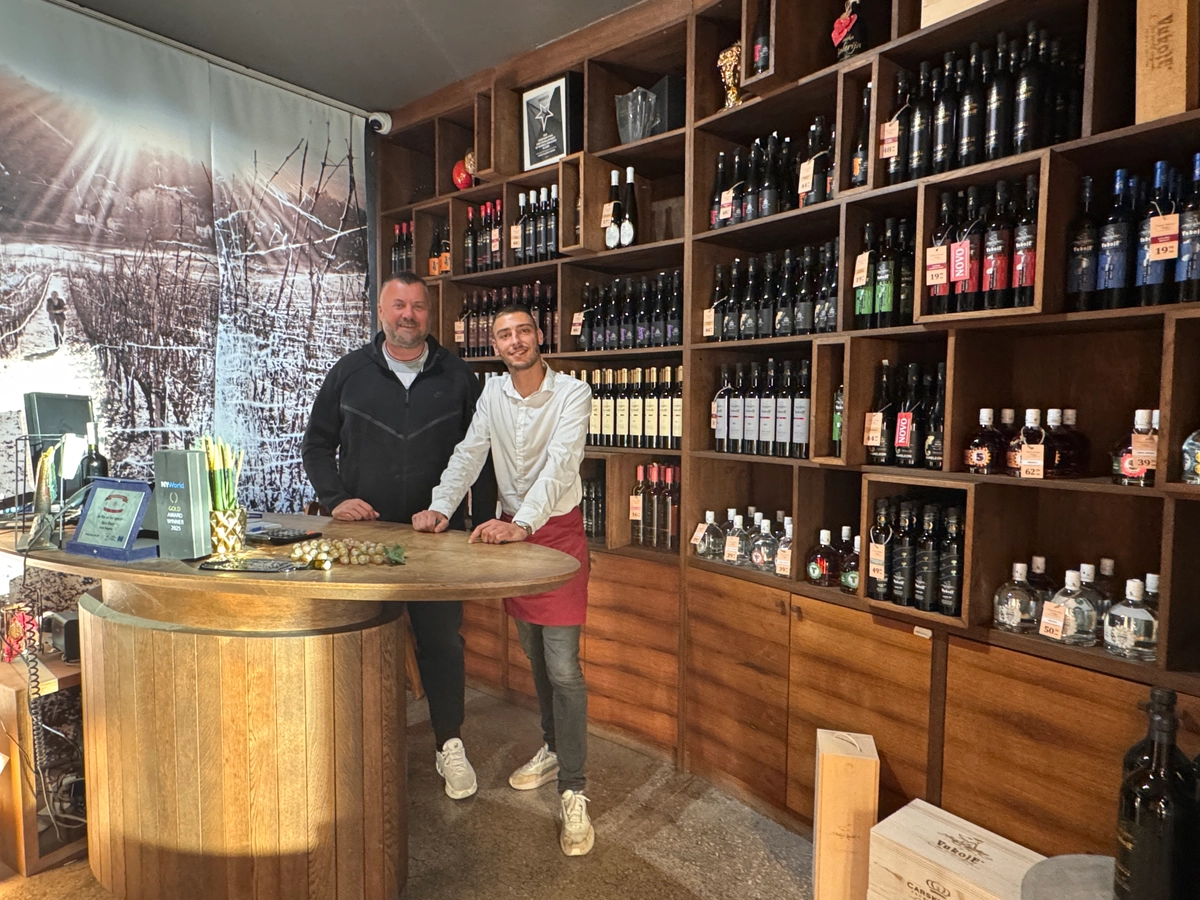
Vukoje is not a traditional rural estate surrounded by endless vineyards.
Its wine gallery occupies an unexpected hillside setting above Trebinje, while the vineyards and wider production activities extend into the surrounding countryside.
The contrast is part of its appeal.
Contemporary architecture, thoughtfully presented wines and a restaurant with pleasant views create an atmosphere designed for enjoyment rather than hurried visits.
Yet it would be a mistake to judge Vukoje by its appearance alone.
What makes the experience distinctive is the combination of genuine hospitality, serious winemaking and an entrepreneurial story rooted in the region.
For travellers who appreciate quality wines, regional gastronomy and encounters with the people shaping a destination, Vukoje offers something considerably more rewarding than a conventional tasting stop.
A Reason to Stay in Trebinje
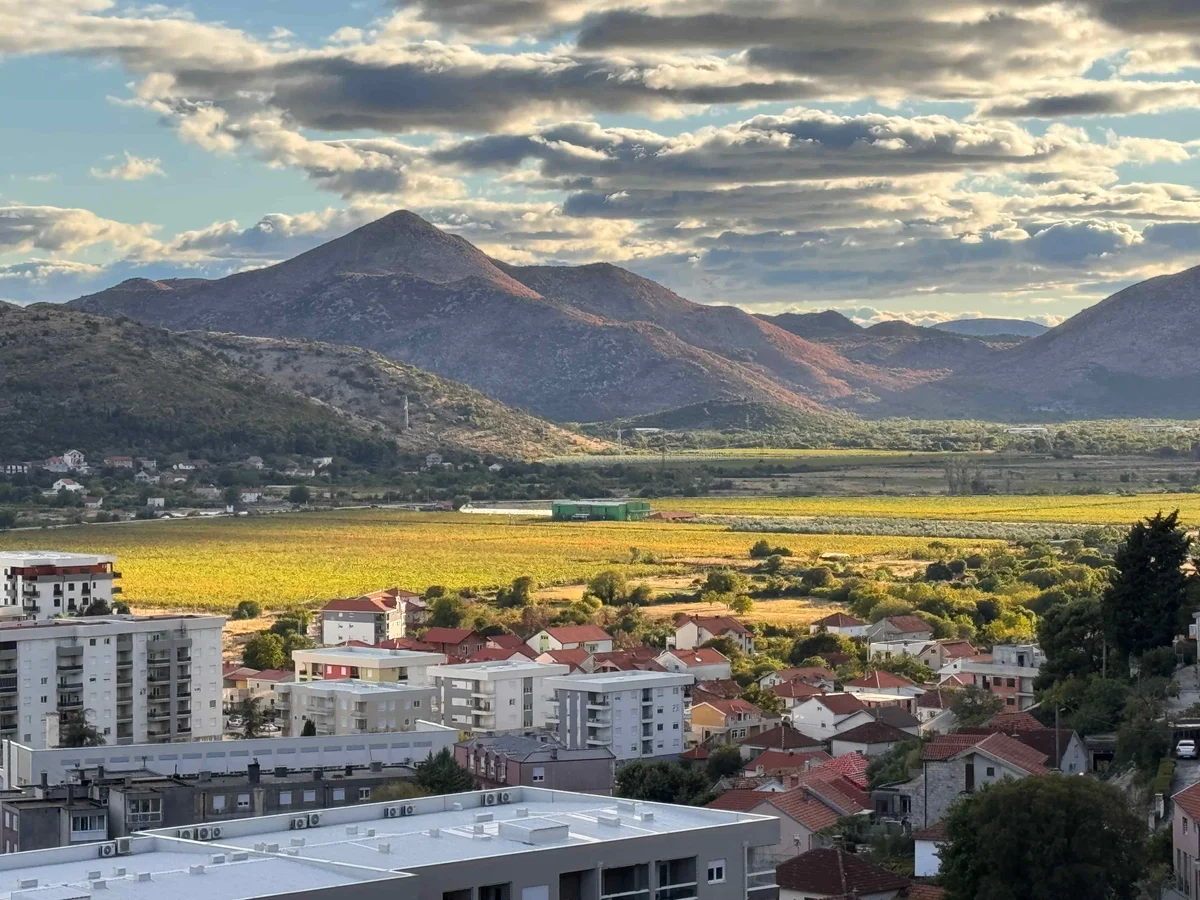
Trebinje is easily overlooked on journeys between Dubrovnik, Montenegro and the interior of Bosnia and Herzegovina.
Its quiet streets, Mediterranean atmosphere and surrounding landscapes rarely command the attention given to its better-known neighbours.
But the town rewards those who linger.
Its cafés, local markets and growing wine culture offer a different perspective on southern Herzegovina — one that feels relaxed, authentic and quietly confident.
Vukoje belongs naturally within that experience.
It tells the story of a family business transformed through knowledge and ambition, of local grape varieties finding renewed recognition, and of hospitality that remains personal despite international success.
The journey uphill may begin with modest expectations.
What awaits is a reminder that some of the most rewarding travel experiences are found where they are least expected.
And sometimes, they begin with a glass of wine and a simple toast.
Živjeli!
Frequently Asked Questions