The Adriatic's Timeless Coast
The Dalmatian Coast captures the essence of the Adriatic, where ancient stone cities, turquoise bays and picturesque islands create an extraordinary coastal landscape. From Split's Roman heritage and Hvar's elegant harbours to the waterfalls of Krka and Zadar's atmospheric waterfront, every journey reveals a distinctive blend of history, nature and Mediterranean life.
Where Ancient Heritage Meets the Beauty of the Adriatic
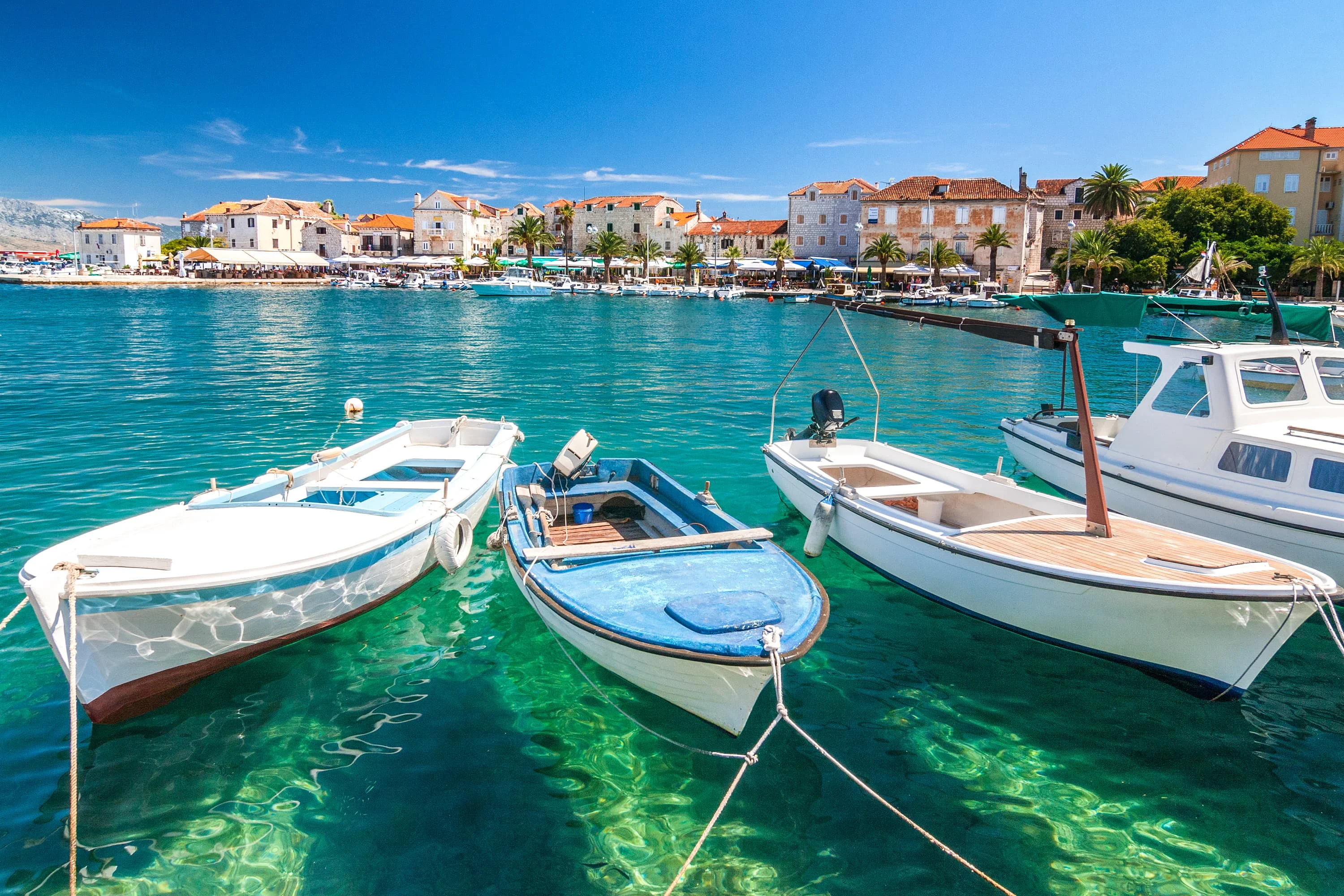
The Dalmatian Coast stretches along Croatia's eastern Adriatic shoreline, where dramatic limestone mountains, historic harbour towns and an extraordinary collection of islands create one of the Mediterranean's most distinctive landscapes. Its character is shaped by the relationship between land and sea, with sheltered bays, pine-covered peninsulas and traditional stone settlements reflecting centuries of maritime life. From lively waterfront promenades to secluded island coves, the region offers a captivating balance of cultural discovery and coastal relaxation.
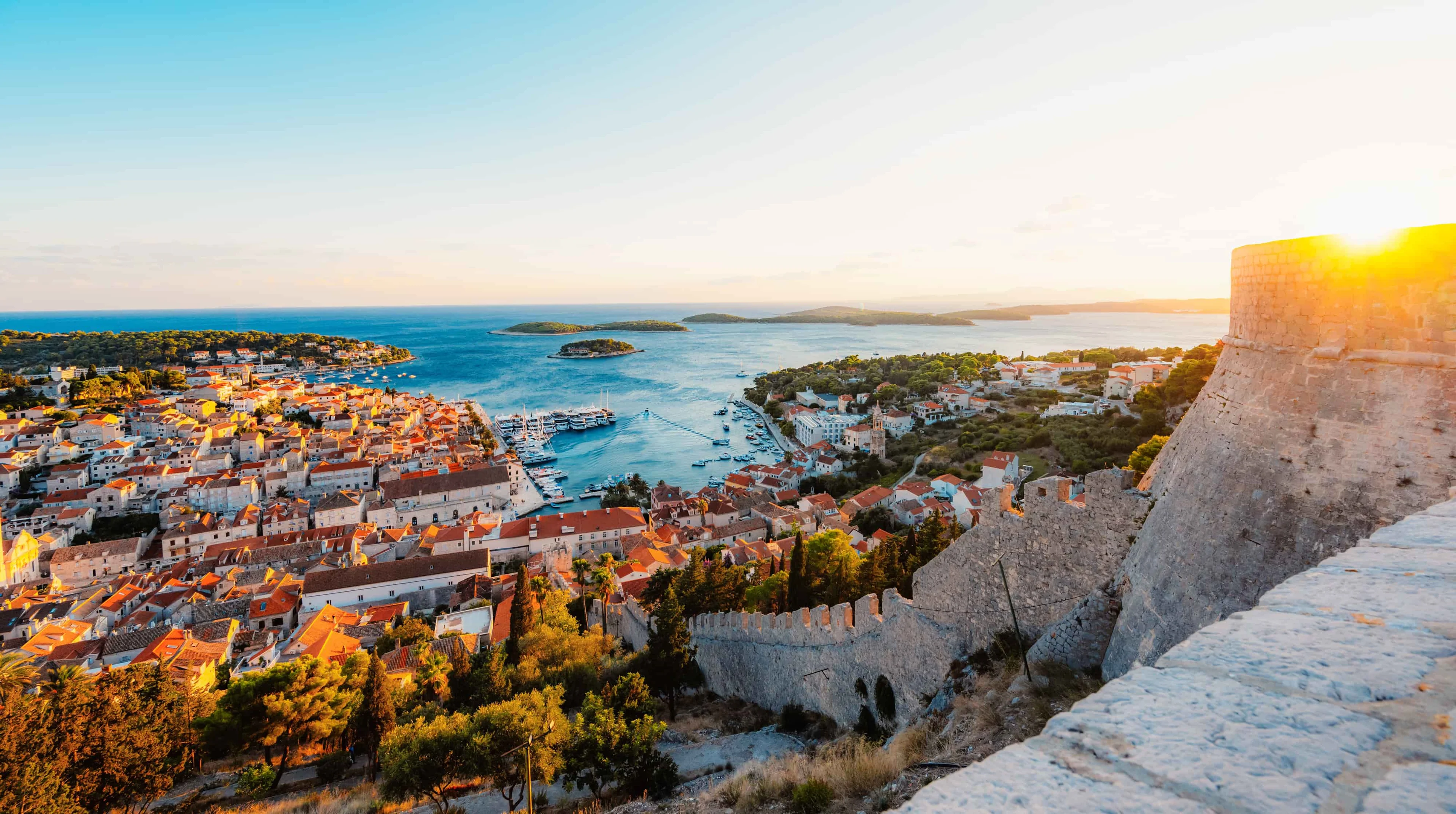
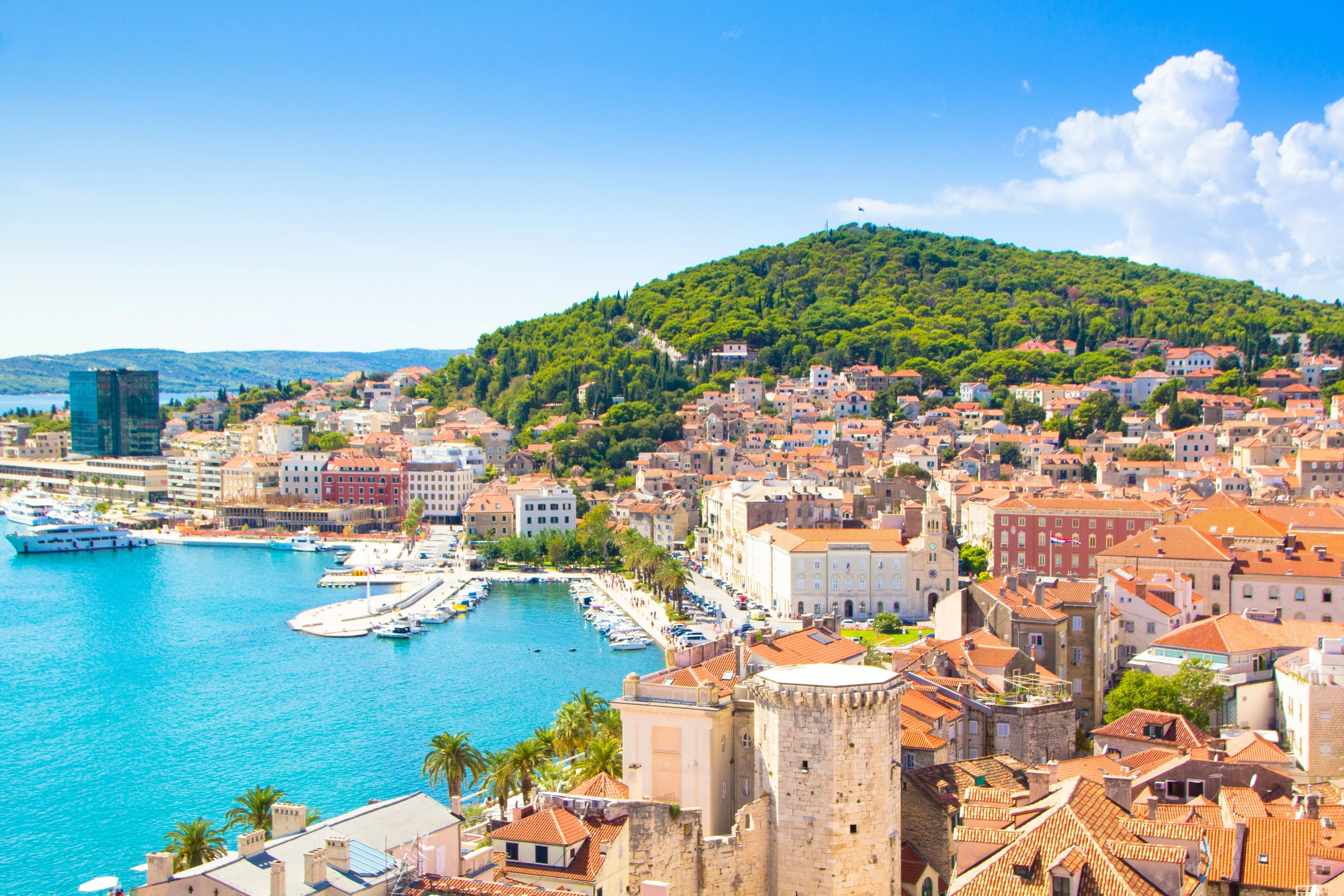
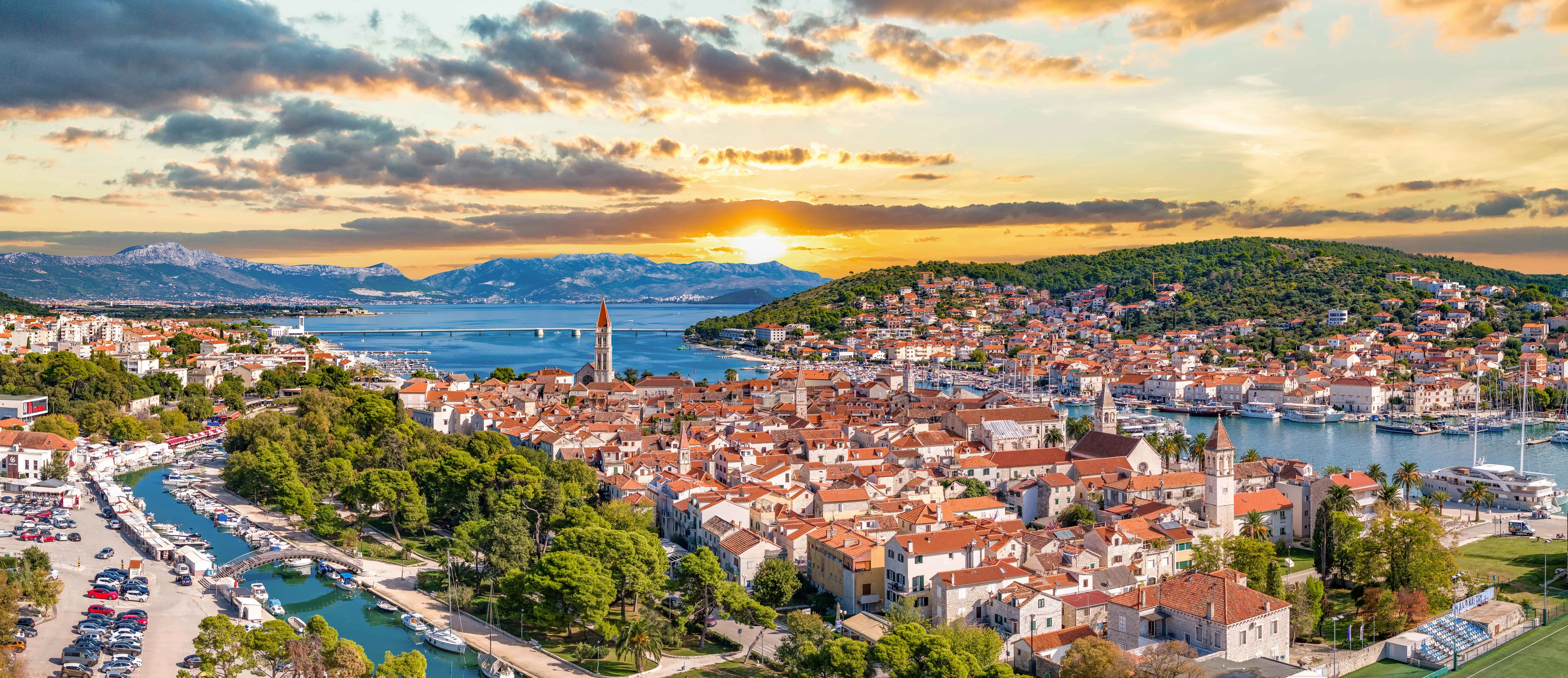
At the heart of Dalmatia, Split preserves the remarkable legacy of Roman civilisation within Diocletian's Palace, a UNESCO-listed historic complex that remains an integral part of the living city. Nearby Trogir enchants visitors with its medieval streets and beautifully preserved architectural heritage, while Šibenik is celebrated for the Cathedral of St James and its historic fortresses. Further north, Zadar combines ancient Roman remains with contemporary waterfront installations, including the celebrated Sea Organ. Offshore, Hvar introduces a different rhythm, where Venetian-era architecture, picturesque harbours and sunlit landscapes create an unmistakably Mediterranean atmosphere.
Dalmatian life is deeply connected to the sea, seasonal traditions and local gastronomy. Waterfront restaurants celebrate fresh seafood, olive oil and regional wines, while island villages preserve traditional stone architecture and agricultural heritage. Fishing harbours, local markets and family-run establishments offer opportunities to experience the region beyond its most visited landmarks. Inland, Krka National Park reveals a contrasting landscape of freshwater waterfalls, forested pathways and remarkable natural scenery.
What makes the Dalmatian Coast particularly memorable is its effortless variety. A morning exploring ancient Roman streets can lead to an afternoon beside cascading waterfalls or an evening overlooking a peaceful island harbour. Here, cultural heritage, natural beauty and everyday Mediterranean traditions come together to create a destination that rewards both exploration and relaxation.
“Along the Dalmatian Coast, ancient stone, island landscapes and the rhythm of the Adriatic create a timeless sense of discovery.”

A Coast of Ancient Heritage and Mediterranean Soul
Landscapes Between Mountains and Sea
Centuries of Mediterranean Heritage
The Rhythm of Coastal Living
Related Stories
A selection of destinations currently resonating with our most discerning travelers.
Location Stories

Dalmatian Coast Insights