
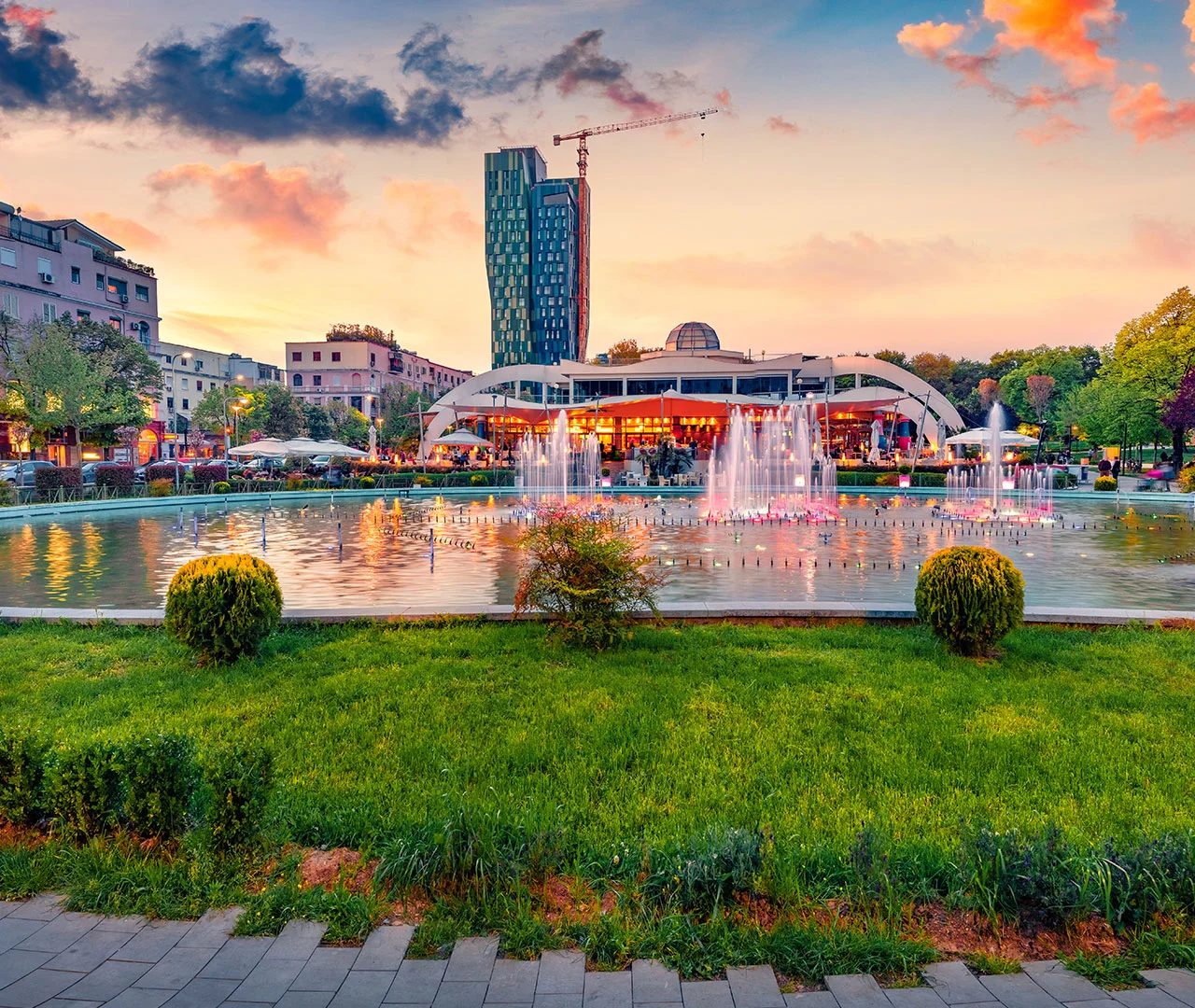
The Balkans: Where Mountains Meet Memory
Where Mountains Meet Memory Hero Subtitle: Between ancient stone cities, untamed mountains, turquoise coastlines, and traditions passed through generations, the Balkans reveal a world where history and contemporary life exist in extraordinary harmony.
Introduction
There are places that reveal themselves through their landmarks, and others that can only be understood through the stories they carry. The Balkans belong to the latter.
Stretching between the Adriatic and Ionian seas, the rugged mountain ranges of the interior, and the landscapes of southeastern Europe, this remarkable region is a meeting point of cultures, histories, and identities. Here, medieval towns stand beside Ottoman bridges, Mediterranean harbours contrast with alpine villages, and centuries-old traditions remain woven into the rhythm of everyday life.
From the terracotta rooftops of Croatia's coastal settlements to the stone architecture of Bosnia and Herzegovina, from Montenegro's dramatic mountain landscapes to the quiet villages of Albania, the Balkans offer a remarkable diversity of experiences within a relatively compact part of Europe.
Yet what makes this region truly distinctive is not simply its beauty. It is the character of its people, the depth of its cultural heritage, and the extraordinary ability of its communities to preserve their identities while embracing the present.
To travel through the Balkans is to experience a region that cannot be reduced to a single story. Every border introduces a different rhythm, every town reveals another layer of history, and every encounter offers a new perspective.
A Landscape of Extraordinary Contrasts
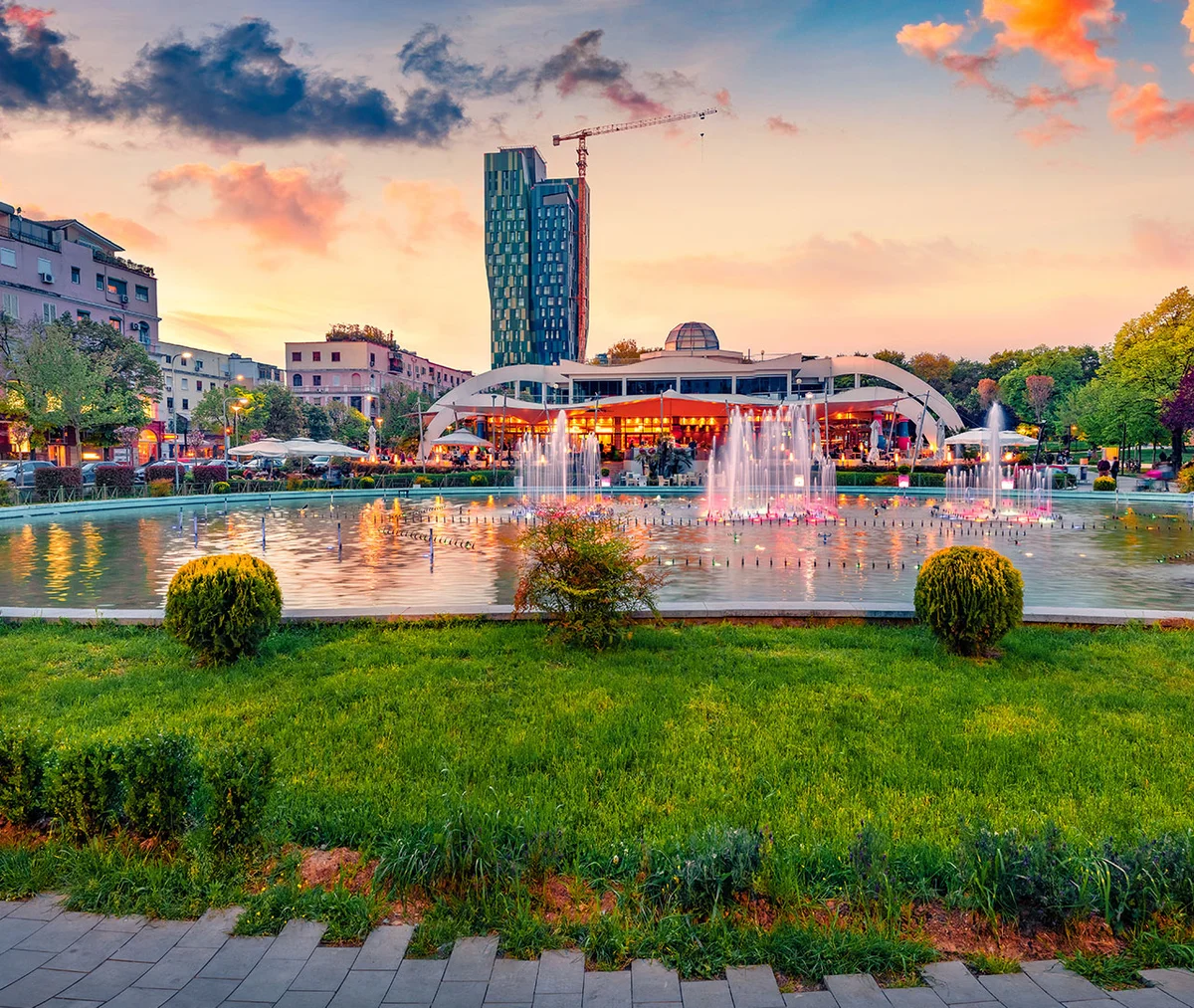
The geography of the Balkans is defined by contrasts.
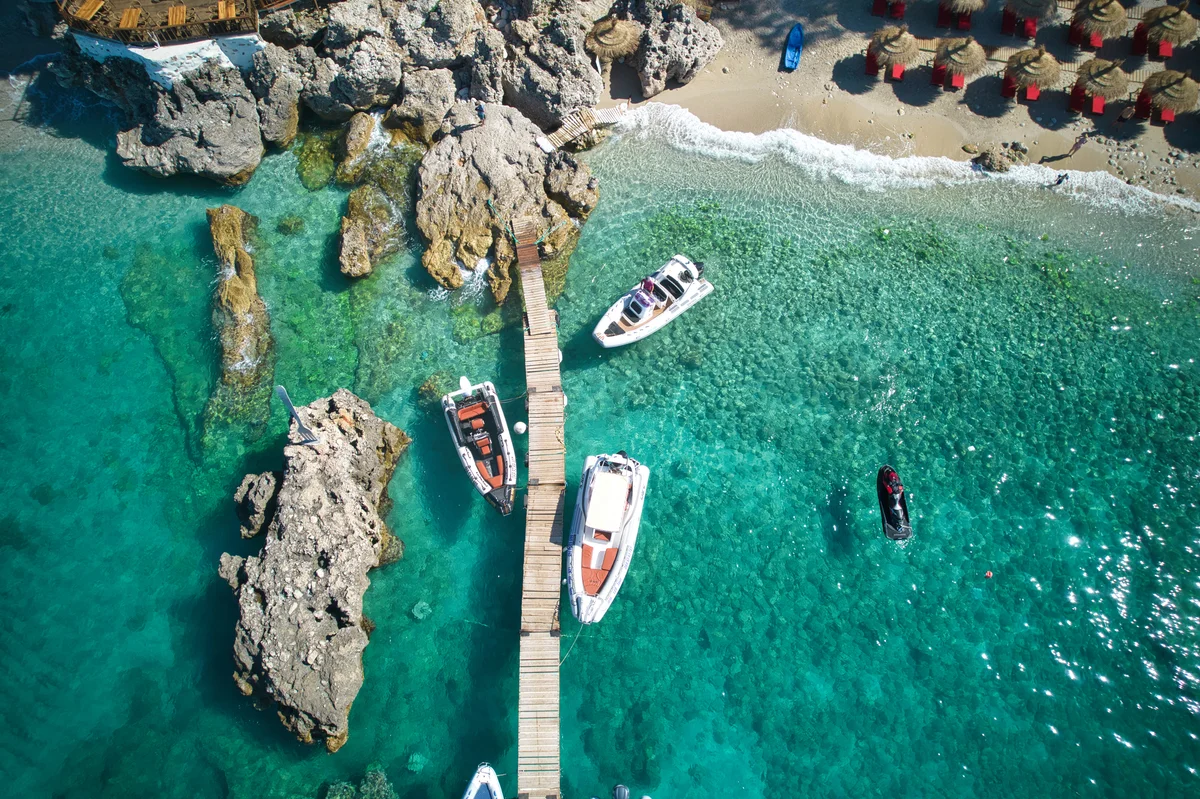
Along the Adriatic coastline, the sea meets limestone cliffs, historic harbour towns, and islands scattered across remarkably clear waters. Inland, forests, deep valleys, and dramatic mountain ranges create landscapes that feel distant from the familiar Mediterranean image.
In Slovenia, alpine scenery gives way to emerald rivers and forested valleys. Croatia's coastline combines historic settlements with a distinctive island culture. Further south, Montenegro's mountains rise dramatically above the Bay of Kotor, creating one of Europe's most striking coastal landscapes.
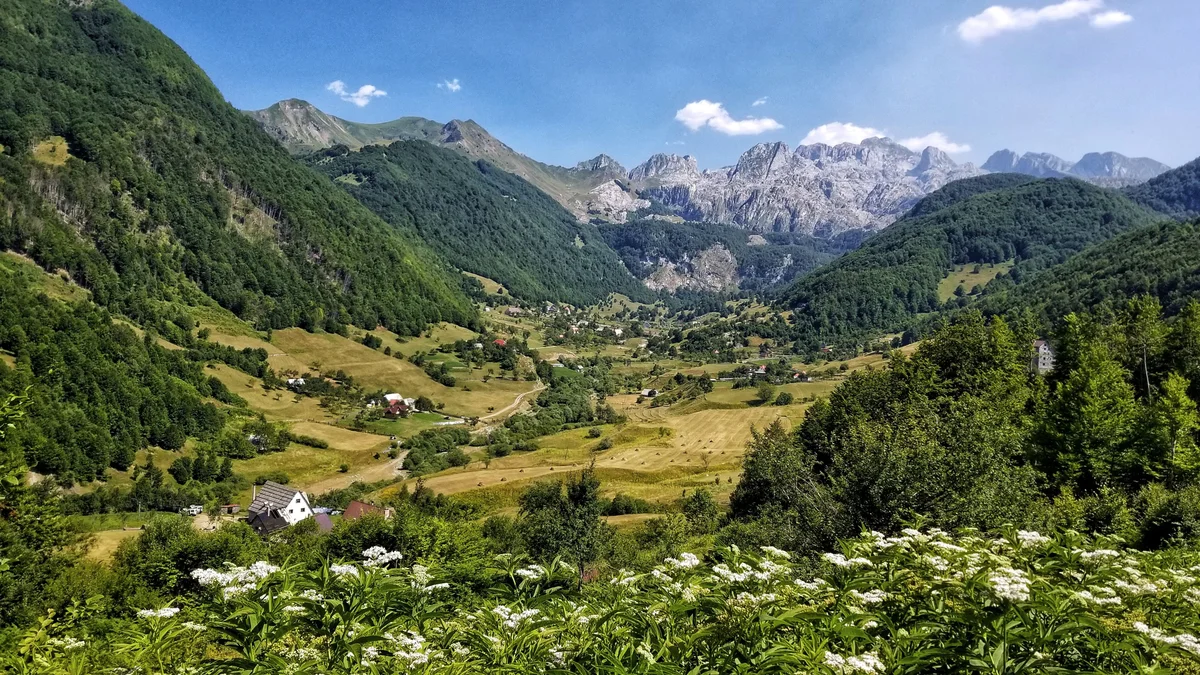
Beyond the coast, the mountains of Bosnia and Herzegovina, Albania, and North Macedonia reveal another side of the region. Traditional villages, remote valleys, and winding mountain roads offer a connection to landscapes that have shaped local life for generations.
It is this constant transition between sea and mountain, movement and stillness, that gives the Balkans their particular sense of discovery.
Cities That Carry Centuries of Stories
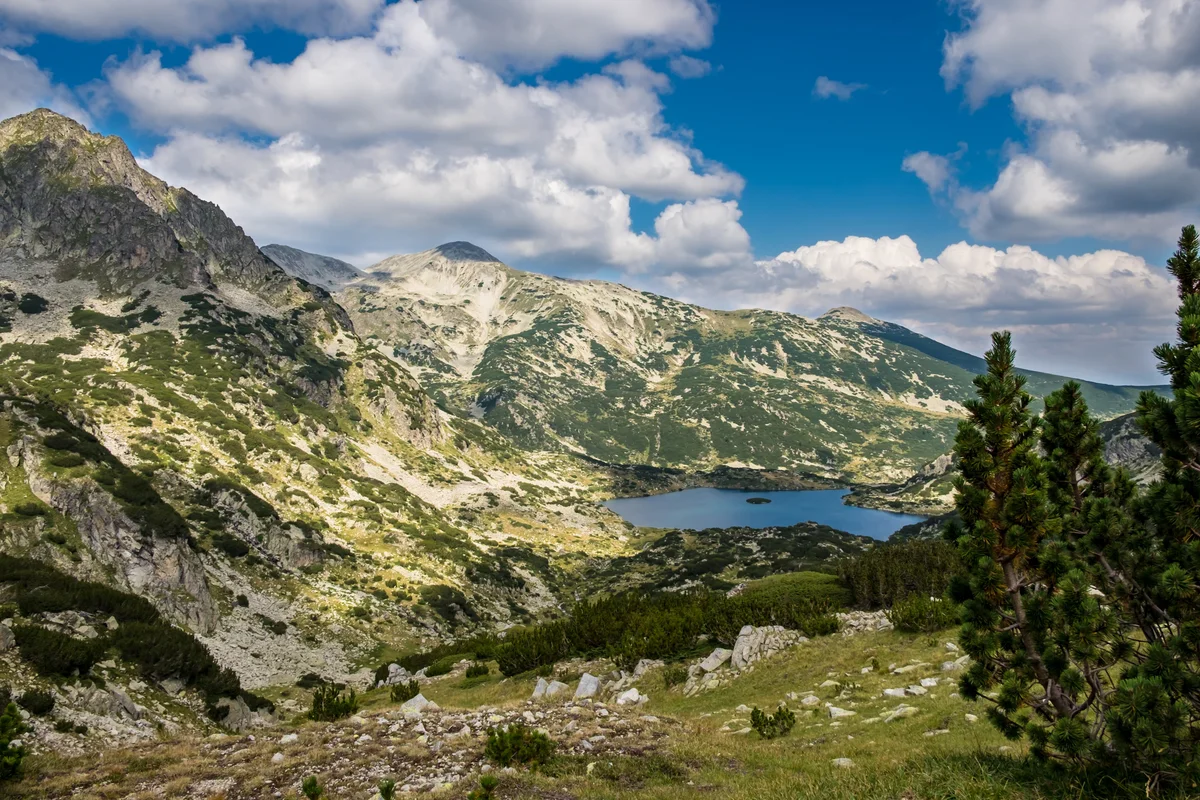
The cities of the Balkans are living expressions of their complicated and fascinating past.
In Sarajevo, different architectural traditions exist within walking distance of one another. Mosques, churches, synagogues, traditional markets, and Austro-Hungarian buildings reflect centuries of cultural exchange and historical transformation.
Mostar offers a different kind of encounter. Its famous stone bridge spans the Neretva River, connecting two sides of a historic city while standing as a powerful symbol of both division and reconciliation.
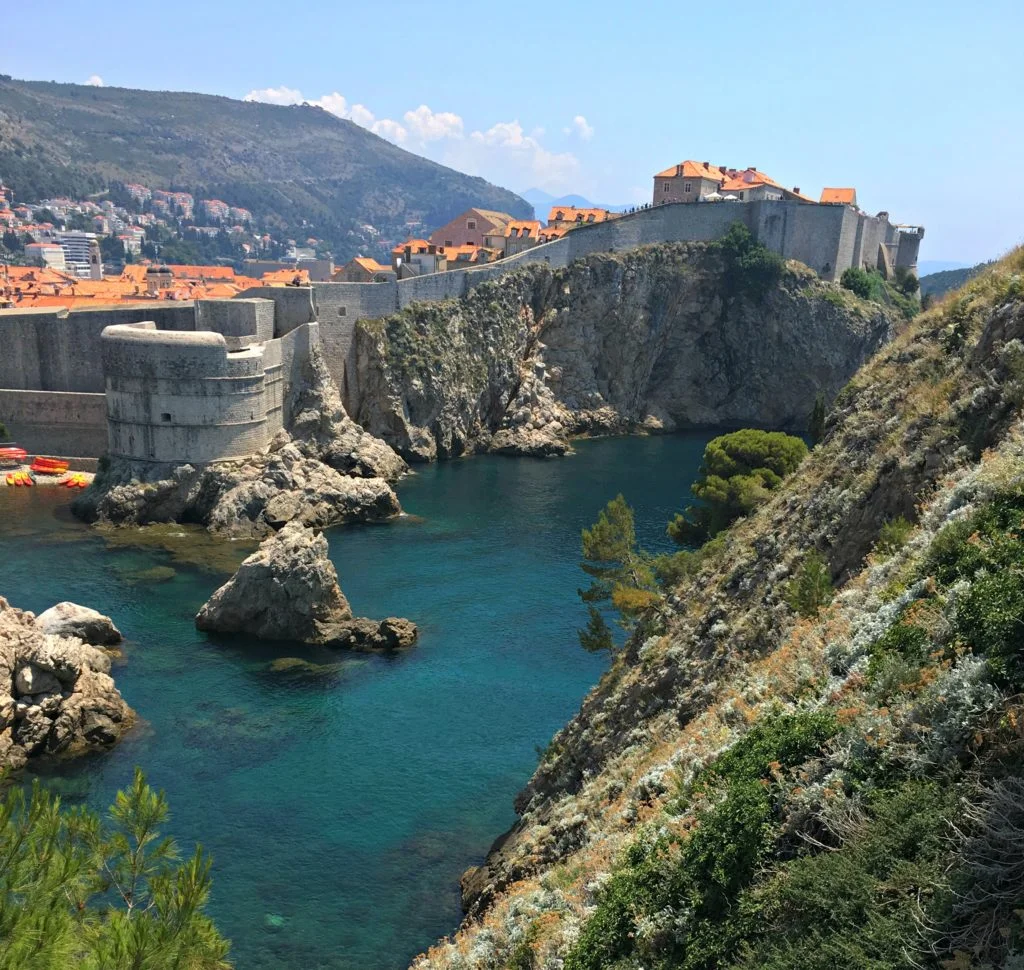
Further along the Adriatic, Dubrovnik's monumental stone walls and narrow streets reveal the legacy of a maritime republic. In Kotor, medieval architecture unfolds beneath imposing mountains, creating an atmosphere where history feels inseparable from the surrounding landscape.
Skopje introduces another architectural and cultural perspective, while Sofia reflects Bulgaria's long history through its churches, historic buildings, and evolving urban character.
These cities are not simply destinations to photograph. They are places to observe, listen, and understand how different periods of history continue to influence contemporary life.
The Art of Living Slowly
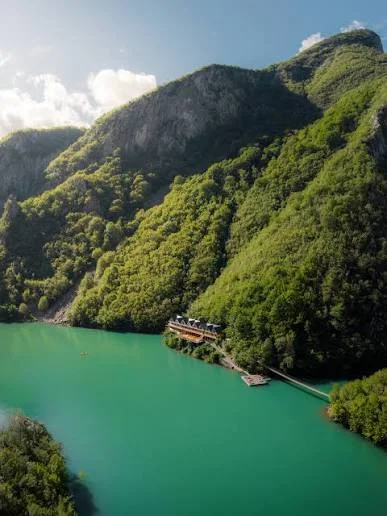
Perhaps one of the most memorable aspects of the Balkans is the importance placed on everyday experiences.
A morning coffee can become an unhurried ritual. A meal can extend well into the afternoon. Conversations between neighbours often take place in village squares, outdoor cafés, and along waterfront promenades.
In smaller coastal communities, fishing boats return to harbour while restaurants prepare the day's catch. In mountain villages, traditional agricultural practices remain connected to the seasons. Across the region, local markets continue to provide spaces where food, craftsmanship, and community life come together.
This slower rhythm is not necessarily something visitors need to search for. It is often found in the simplest moments: sitting beside a river, sharing a meal with local hosts, or watching the evening light settle over an old town.
For travellers accustomed to moving quickly between attractions, the Balkans offer a gentle reminder that experiencing a place is often more meaningful than simply seeing it.
A Heritage Preserved Through Generations
The cultural richness of the Balkans is rooted in centuries of interaction between different peoples, empires, religions, and traditions.
Roman, Byzantine, Ottoman, Venetian, and Austro-Hungarian influences have all contributed to the region's architectural and cultural landscape, although their presence varies considerably between countries and communities.
These influences are visible in historic fortifications, religious buildings, traditional houses, public squares, and the everyday customs of local communities.
In Albania, the historic towns of Berat and Gjirokastër preserve remarkable examples of Ottoman-era architecture. In Bosnia and Herzegovina, traditional crafts and historic urban neighbourhoods reflect a rich cultural inheritance. Across Bulgaria and North Macedonia, monasteries, churches, and archaeological sites reveal layers of regional history.
But heritage is not confined to monuments.
It lives in traditional music, family recipes, local celebrations, handmade crafts, and stories passed between generations.
Understanding these traditions offers a deeper appreciation of the Balkans, allowing visitors to see beyond the architecture and connect with the people who continue to shape the region.
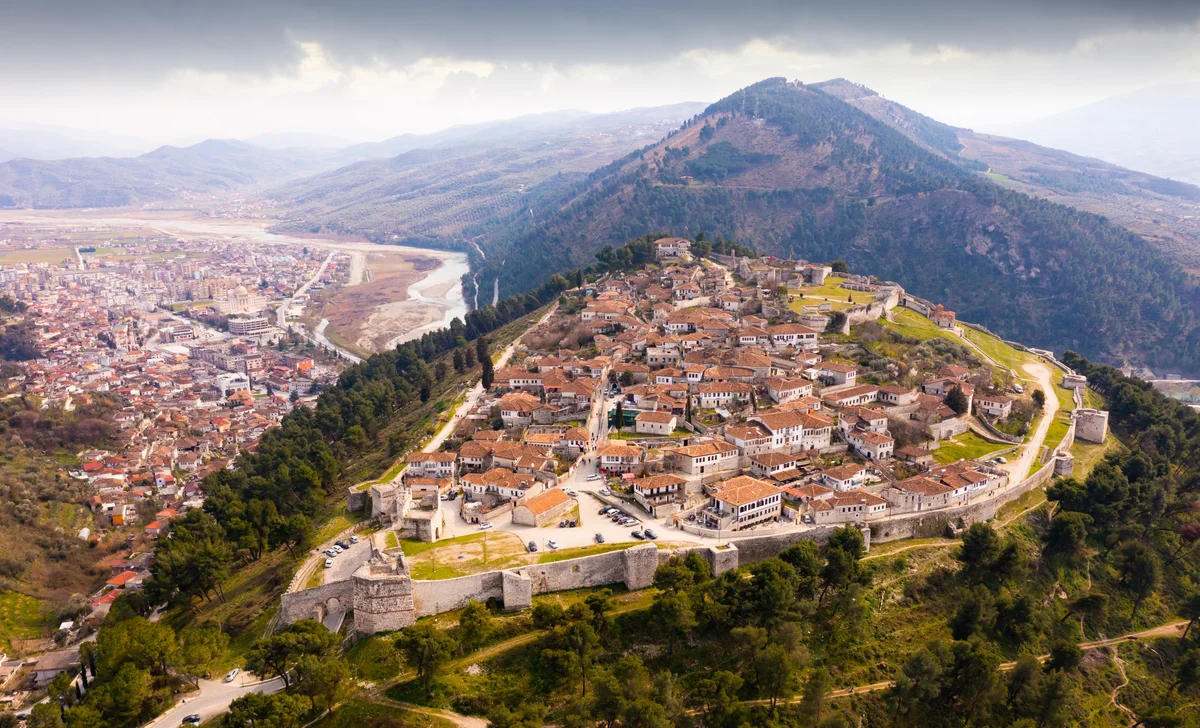
A Heritage Preserved Through Generations
The cultural richness of the Balkans is rooted in centuries of interaction between different peoples, empires, religions, and traditions.
Roman, Byzantine, Ottoman, Venetian, and Austro-Hungarian influences have all contributed to the region's architectural and cultural landscape, although their presence varies considerably between countries and communities.
These influences are visible in historic fortifications, religious buildings, traditional houses, public squares, and the everyday customs of local communities.
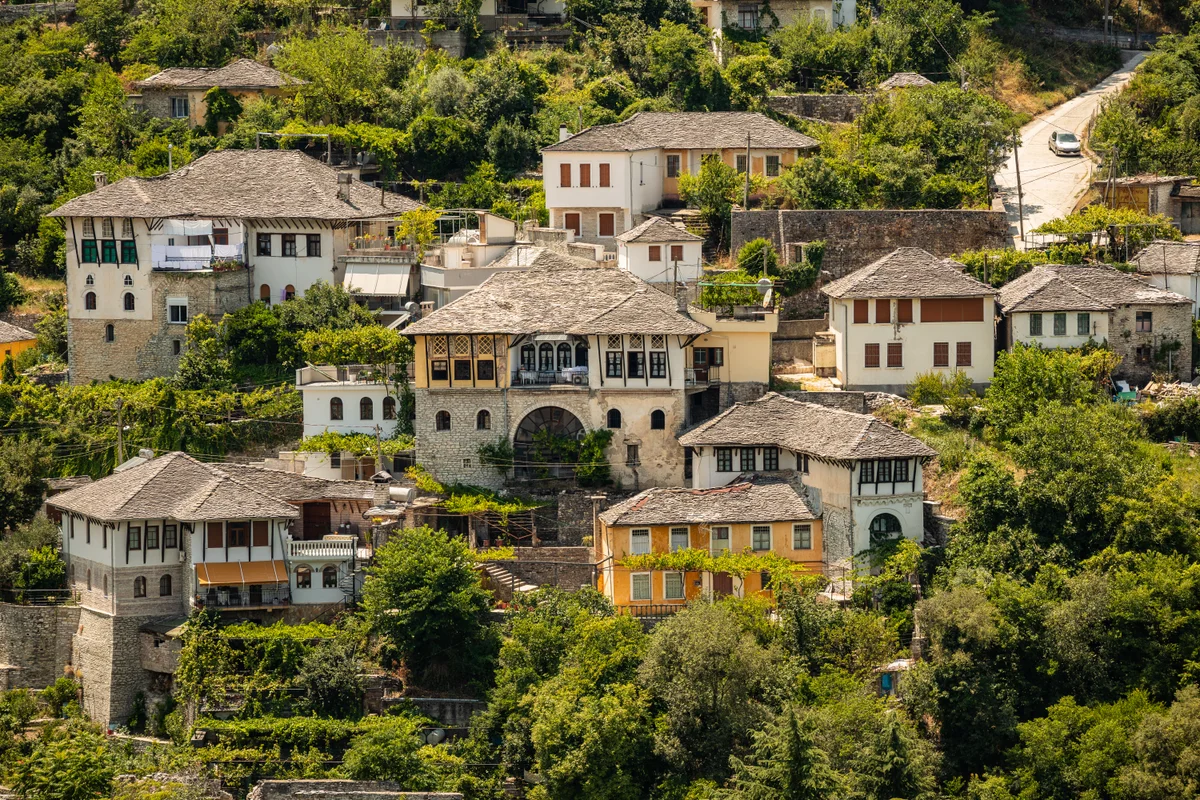
In Albania, the historic towns of Berat and Gjirokastër preserve remarkable examples of Ottoman-era architecture. In Bosnia and Herzegovina, traditional crafts and historic urban neighbourhoods reflect a rich cultural inheritance. Across Bulgaria and North Macedonia, monasteries, churches, and archaeological sites reveal layers of regional history.
But heritage is not confined to monuments.
It lives in traditional music, family recipes, local celebrations, handmade crafts, and stories passed between generations.
Understanding these traditions offers a deeper appreciation of the Balkans, allowing visitors to see beyond the architecture and connect with the people who continue to shape the region.
The Table as a Cultural Meeting Place
Food in the Balkans tells stories of geography, history, and shared traditions.
The region's culinary identity is remarkably diverse, influenced by Mediterranean ingredients, mountain agriculture, Ottoman culinary traditions, and Central European cooking.
Along the Adriatic, seafood, olive oil, fresh vegetables, and locally produced wines define much of the coastal dining experience.
Further inland, traditional dishes often feature grilled meats, slow-cooked vegetables, fresh bread, dairy products, and seasonal ingredients.
In Bosnia and Herzegovina, dishes such as ćevapi and burek are deeply connected to everyday food culture. In Albania, regional cooking reflects a combination of Mediterranean and Balkan influences. Bulgaria is known for its fresh salads, yoghurt traditions, and distinctive regional dishes, while Greece brings its own celebrated Mediterranean culinary heritage.
Yet beyond individual dishes, the most meaningful part of Balkan food culture is the way meals bring people together.
Hospitality is often expressed through generous tables, shared plates, and the expectation that guests should feel welcome. A meal is rarely just about eating. It is an opportunity to connect, exchange stories, and experience a community from within.
Beyond the Familiar: The Beauty of Discovery
Some of the Balkans' most rewarding experiences happen far from its internationally recognised landmarks.
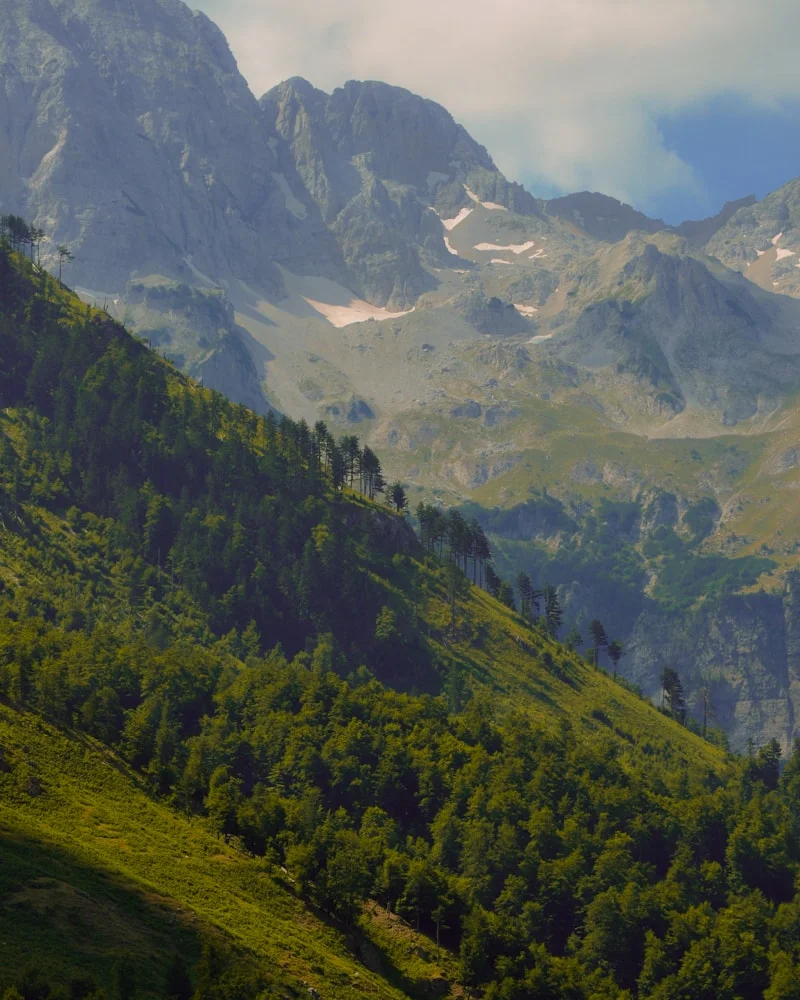
In the Albanian Alps, dramatic mountain scenery surrounds small communities where traditional ways of life remain closely connected to the landscape.
Along Montenegro's northern interior, glacial lakes, forests, and mountain villages create a striking contrast with the Adriatic coast.
In Slovenia, the Soča Valley reveals an extraordinary landscape of emerald water and alpine scenery. In North Macedonia, the shores of Lake Ohrid combine natural beauty with a remarkable cultural heritage.
Across Bulgaria's Rhodope Mountains, traditional villages and rural landscapes offer another perspective on the region's cultural identity.
These places invite a different kind of traveller: someone willing to explore beyond familiar routes, appreciate local knowledge, and discover destinations through genuine encounters rather than expectations.
The reward is not simply finding somewhere beautiful. It is understanding why that place matters to the people who call it home.
The People Behind the Places
Every destination has its defining landscapes and historical landmarks, but the character of the Balkans is ultimately shaped by its people.
It can be found in the hospitality of a family-run guesthouse, the craftsmanship of a local artisan, the knowledge of a vineyard owner, or the stories shared by someone who has lived in the same village for generations.
Across the region, communities have experienced significant historical changes while maintaining distinctive languages, customs, and cultural identities.
For visitors, meaningful travel often begins with a willingness to engage respectfully with these differences.
Taking the time to understand local traditions, supporting independent businesses, and showing genuine curiosity can transform an ordinary journey into a more personal experience.
The most lasting memories may not come from a famous monument or an extraordinary viewpoint, but from an unexpected conversation or an invitation to share something of everyday life.
A Region That Refuses to Be Defined by One Story
The Balkans are sometimes described through their complicated history, political boundaries, or cultural differences. While these histories are important, they represent only part of a much broader picture.
This is also a region of creativity, resilience, extraordinary natural beauty, and cultural expression.
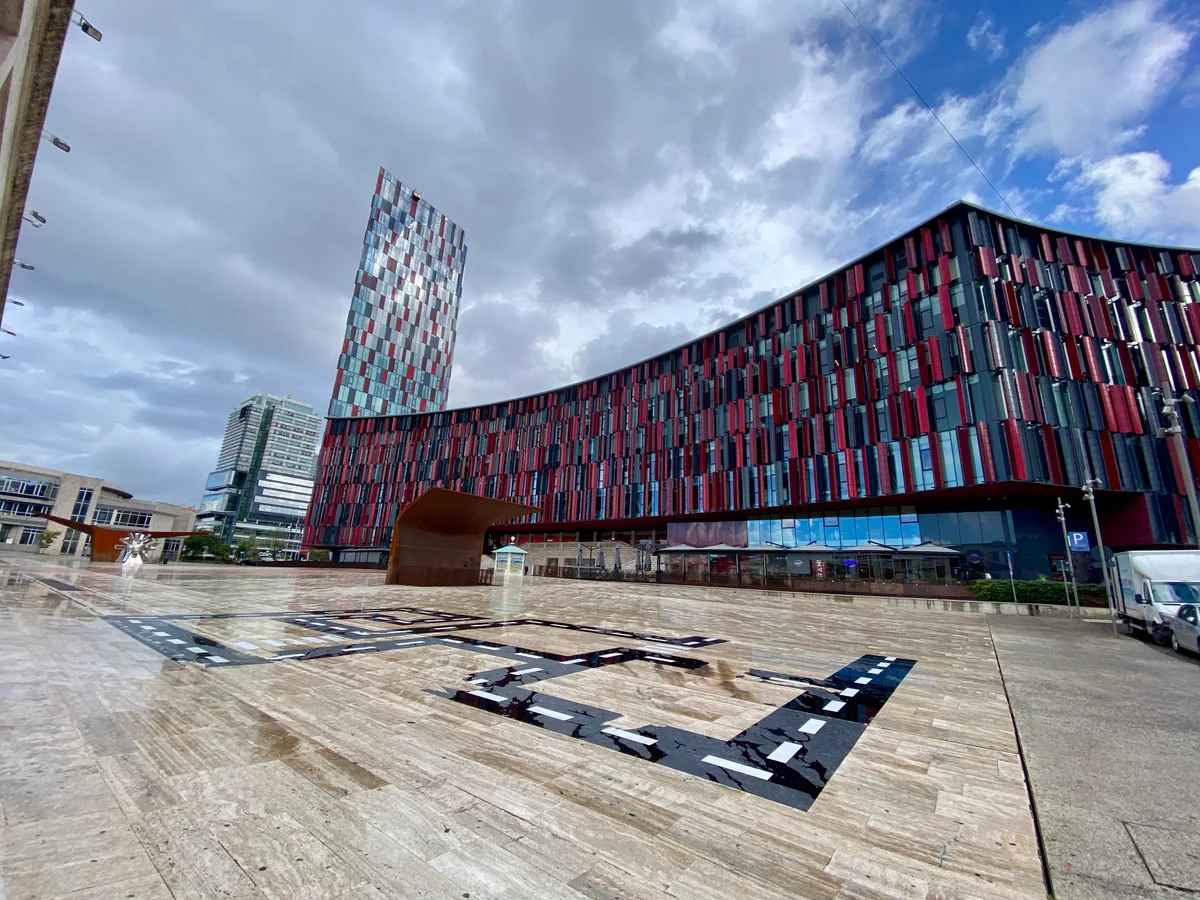
Contemporary cities are developing new artistic identities. Traditional villages are finding ways to preserve their heritage. Local producers are introducing regional flavours to new audiences, while independent hospitality businesses are creating more personal ways for travellers to experience the region.
The past remains present, but it does not define everything that comes next.
Perhaps that is what makes the Balkans so compelling: their ability to hold many different stories at once, without losing the individuality of each place.
"Travel through the Balkans with an open mind and an unhurried heart. Look beyond the familiar, listen to the stories of local communities, and discover the beauty of a region that cannot be understood through a single destination."
The MIRA Perspective
At MIRA, we believe the most meaningful journeys begin with curiosity rather than a checklist.The Balkans are particularly suited to this philosophy. Their diversity rewards travellers who take the time to move beyond familiar destinations, appreciate regional differences, and experience the connections between landscape, culture, and everyday life.A journey here might begin beside the Adriatic, continue through historic cities, cross mountain landscapes, and end in a quiet village where the simplest experiences become the most memorable.
It is not about seeing every country or visiting every landmark. It is about discovering the character of each place and allowing the journey to unfold naturally.
Because sometimes, the most extraordinary destinations are not those that offer a single unforgettable view, but those that reveal something new at every turn.
The Balkans are not one destination. They are a collection of worlds, each with its own story, waiting to be discovered.
Journeys connected to this story
.png?w=3840&q=85&fmt=webp)
Related Stories
The Balkans, Seen from Within — Highlands
Travelling across the Balkans can be an unforgettable experience, but crossing multiple borders requires a little preparation. Understand the essential documents, border procedures, and practical considerations before setting off.
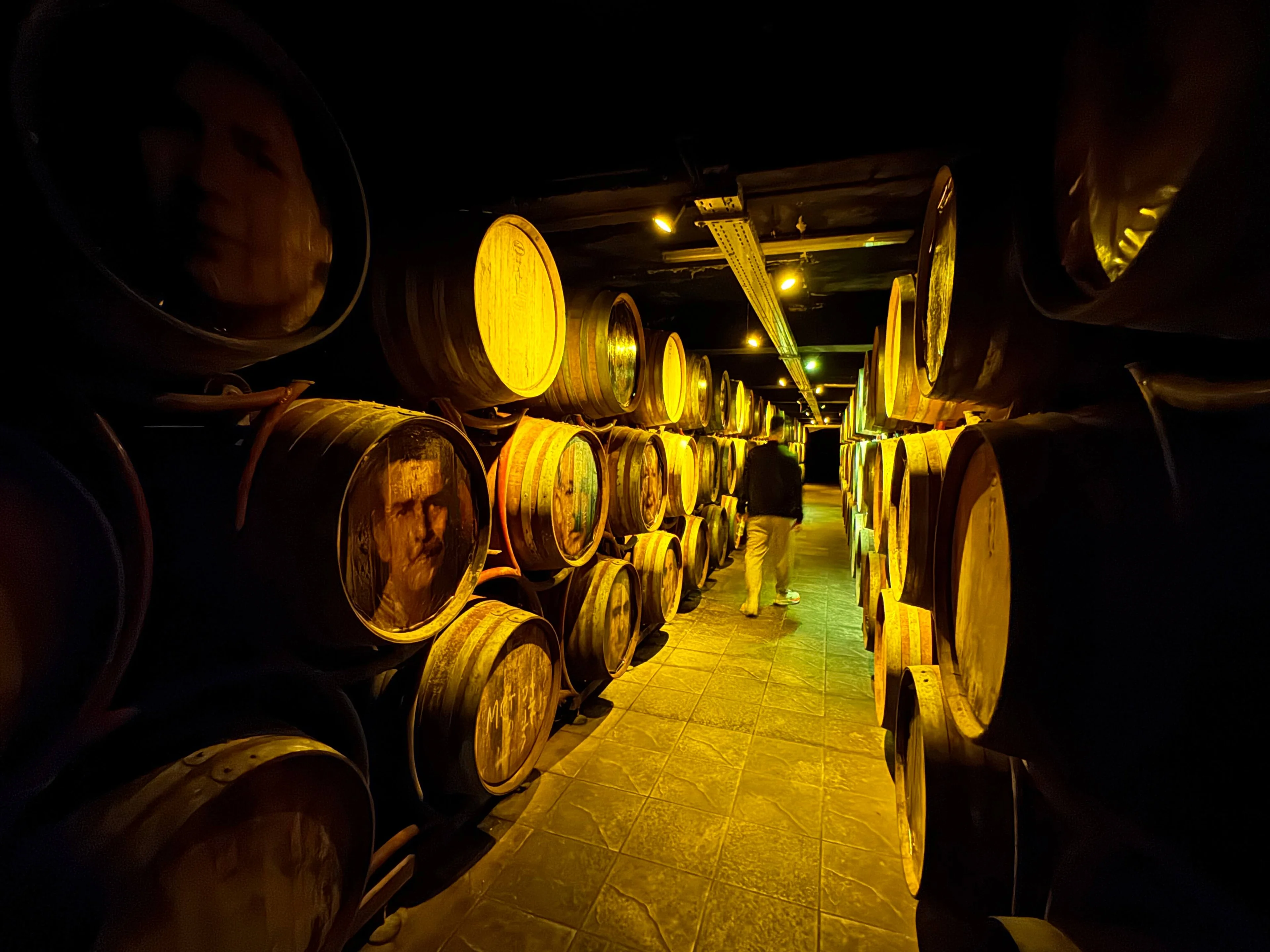
The Man Who Smuggled Bordeaux into the Greek Mountains
A Greek statesman, a diplomatic secret, and the French vines that changed a mountain village forever.