
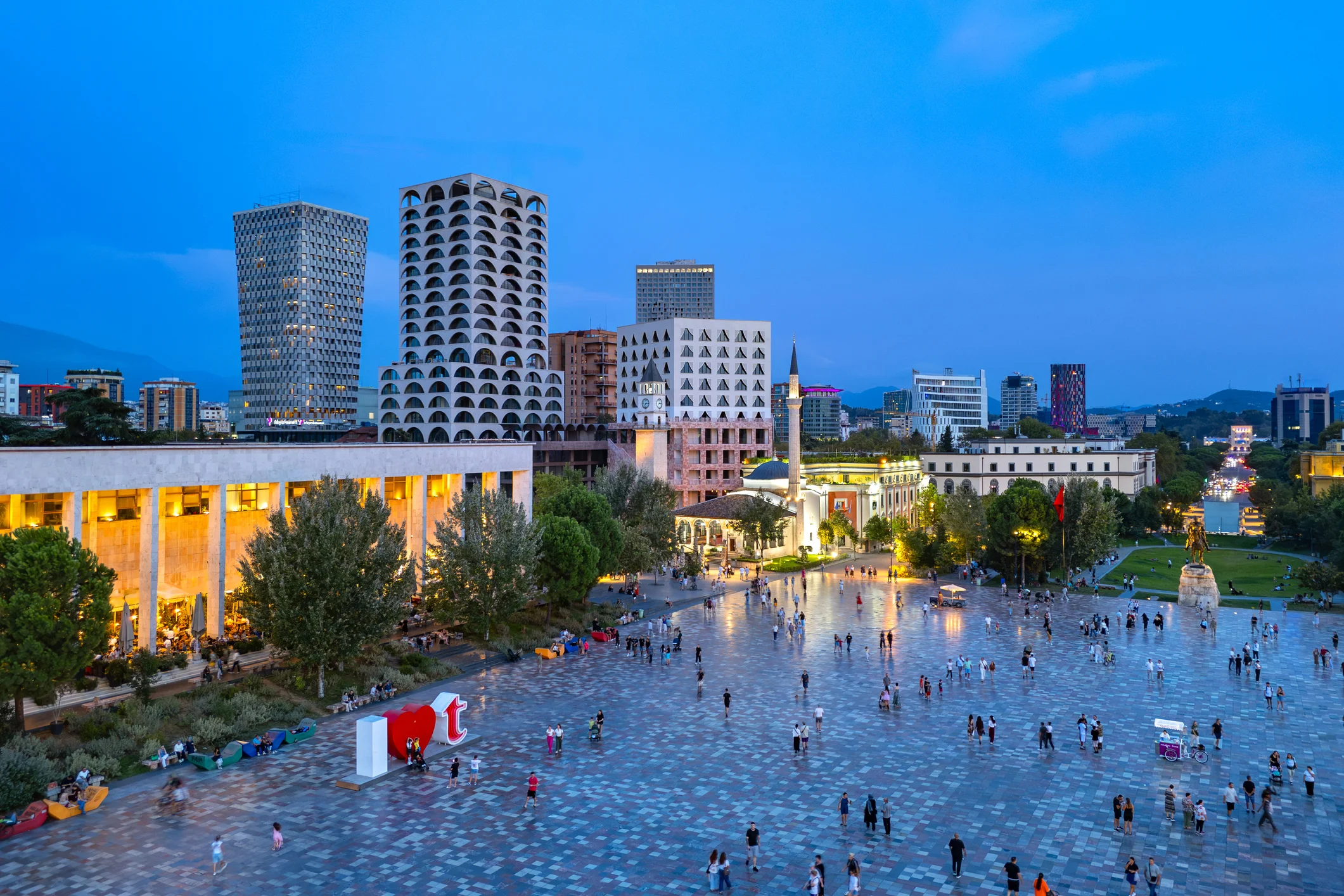
The Balkans, Seen from Within — Highlands
Travelling across the Balkans can be an unforgettable experience, but crossing multiple borders requires a little preparation. Understand the essential documents, border procedures, and practical considerations before setting off.
The Balkans offer an incredible opportunity to explore several countries within a single journey. From Croatia's Adriatic coastline to the mountains of Montenegro, Bosnia and Herzegovina, and Albania, each border crossing introduces a new landscape and culture.
However, travelling between Balkan countries requires some preparation.
Practical Notes & Insider Tips
Travel Documents
Carry a valid passport and check visa requirements for every country on your itinerary before departure.
Border Waiting Times
Allow extra time during July and August, when popular border crossings can become particularly busy.
Rental Car Requirements
Confirm cross-border permissions, insurance coverage, and required vehicle documents with your rental company.
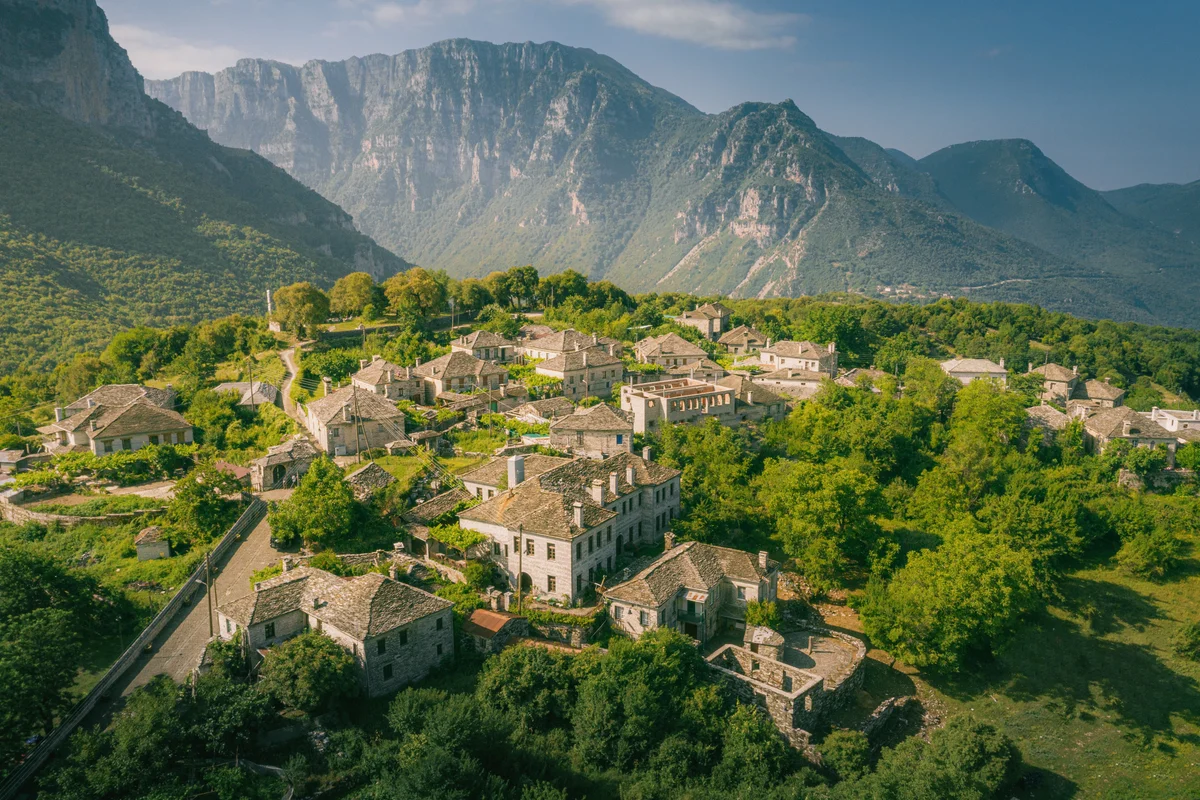
Durmitor & The Tara Canyon
A protected wilderness of dramatic limestone peaks, Europe's deepest gorge, and ancient black pine forests.
Access: Approximately 2.5-hour scenic drive north from Podgorica via the spectacular Morača Canyon.
- •Hike the scenic circum-lake trail around Crno Jezero (Black Lake).
- •Experience white-water rafting through the dramatic limestone narrows of the Tara River.
- •Drive the panoramic Sedlo Pass, reaching approximately 1,907 metres above sea level.
Taste traditional kajmak, freshly prepared priganice, and wild herbal tea at rustic summer katun settlements, where Montenegro's highland traditions remain alive.
The Best Time to Explore the Balkans
The Balkans are a year-round destination, but the experience can change dramatically depending on when you visit.
Spring: March – May
Spring brings fresh landscapes, blooming countryside, and comfortable temperatures. It is an excellent time for exploring historic towns, countryside villages, and cultural destinations.
Summer: June – August
Summer is ideal for discovering the Adriatic coastline, enjoying beach destinations, and experiencing lively historic cities. Coastal destinations can become crowded, particularly in July and August.
Autumn: September – November
Autumn offers a more relaxed atmosphere. The weather is often pleasant in September and October, making it a wonderful season for scenic drives, wine regions, and cultural exploration.
Winter: December – February
Winter reveals another side of the Balkans. Mountain destinations become attractive for skiing, while historic cities offer a quieter atmosphere and seasonal charm.
Our Recommendation
For travellers seeking a balance between pleasant weather, fewer crowds, and authentic experiences, May, June, September, and early October are particularly attractive months.
Cash, Cards & Currency: Understanding Money in the Balkans
Different Balkan countries use different currencies and payment methods. Learn what to expect before travelling and how to manage your travel budget.
Travelling across multiple Balkan countries can mean dealing with different currencies, payment systems, and banking arrangements.
Understanding these differences before departure makes travelling considerably easier.
Know the Local Currency
Not every Balkan country uses the euro.
For example:
Croatia: Euro (EUR)
Montenegro: Euro (EUR)
Albania: Albanian Lek (ALL)
Bosnia and Herzegovina: Convertible Mark (BAM)
North Macedonia: Macedonian Denar (MKD)
Serbia: Serbian Dinar (RSD)
Carry Some Cash
Cards are widely accepted in many tourist destinations, hotels, and larger restaurants. However, smaller businesses, rural areas, and local markets may prefer cash.
Be Aware of Exchange Rates
When withdrawing money or exchanging currency, check the applicable rates and transaction fees.
A Practical Tip
Keep a small amount of local cash available for everyday purchases, particularly when exploring villages and less-developed tourist areas.
"Travel Insights should feel like a premium travel knowledge library, not another collection of destination stories."
Frequently Asked Questions
Journeys connected to this story
.png?w=3840&q=85&fmt=webp)
Related Stories
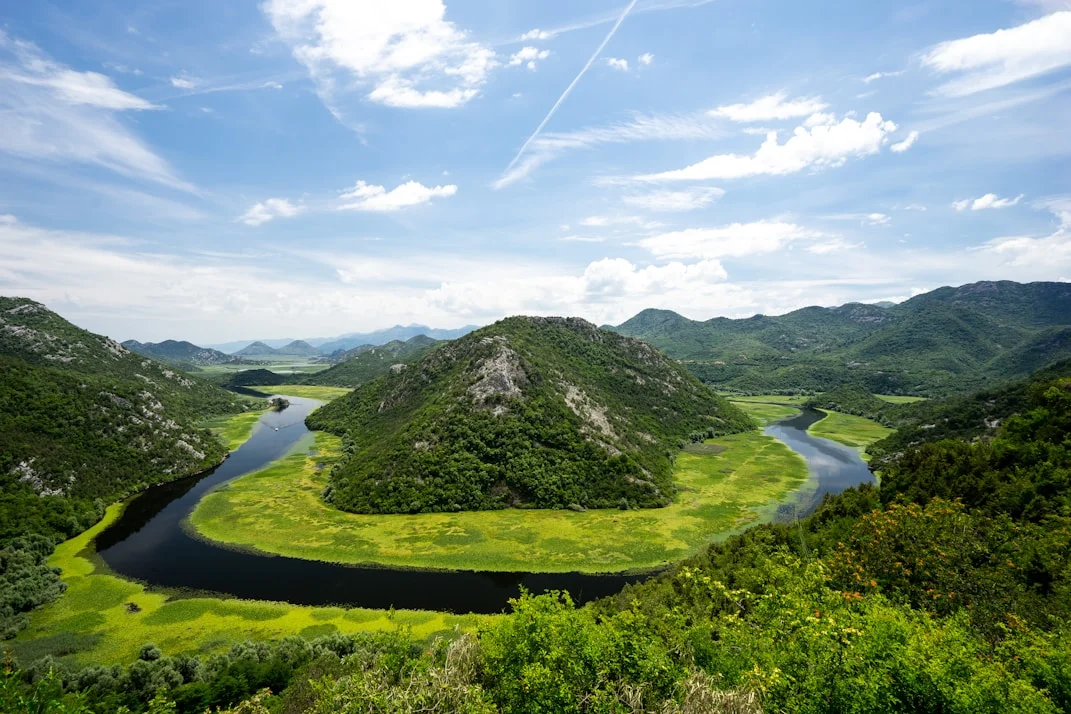
The Road to the Albanian Riviera
Winding coastal passes and turquoise waters of the Ionian Sea.
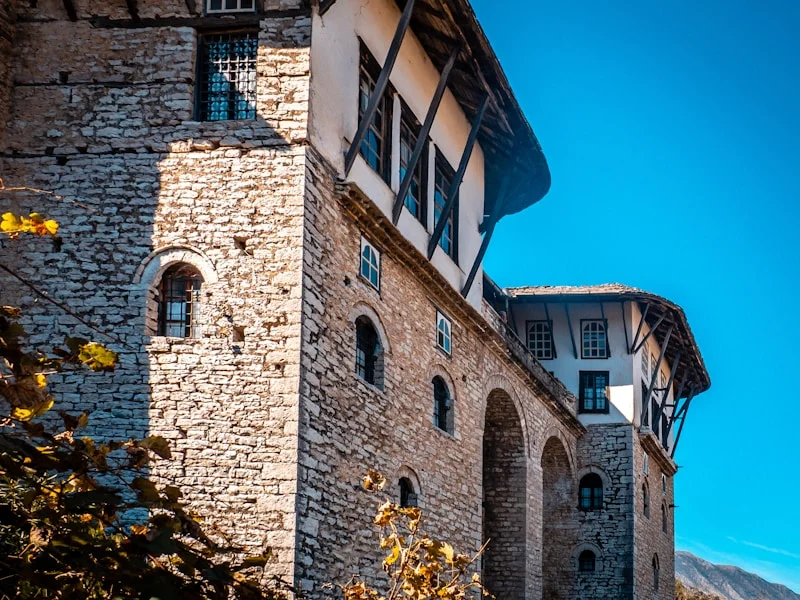
Artisans of Gjirokastër
Stone-masonry traditions preserved inside the city of thousand steps.
Slow Journeys on Lake Skadar
Drifting through water lilies and tranquil fishing villages timelessly.